Complete index · 96
- Sun Wukong
- Hongjun Daozu
- Yuanshi Tianzun
- Tongtian Jiaozhu
- Taiqing Laozi
- Nüwa
- Dijun
- Donghuang Taiyi
- Zhunti Daoren
- Jieyin Daoren
- Houtu
- Pangu
- Luohou
- Kunpeng
- Minghe Laozu
- Zhenyuanzi
- Hongyun Laozu
- Fuxi
- Randeng Daoren
- Hou Yi
- Chang’e
- Dijiang
- Zhujiuyin
- Jumang
- Zhurong
- Gonggong
- Rushou
- Xuanming
- Qiangliang
- Xizi
- Tianwu
- Shebishi
- Guangchengzi
- Chijingzi
- Taiyi Zhenren
- Yuding Zhenren
- Huanglong Zhenren
- Wenshu Guangfa Tianzun
- Puxian Zhenren
- Cihang Daoren
- Juliusun
- Daoxing Tianzun
- Qingxu Daode Zhenjun
- Lingbao Dafashi
- Xuandu Dafashi
- Nanji Xianweng
- Yunzhongzi
- Yang Jian
- Nezha
- Duobao Daoren
- Jinling Shengmu
- Wudang Shengmu
- Guiling Shengmu
- Zhao Gongming
- Yunxiao
- Qiongxiao
- Bixiao
- Jiang Ziya
- Shen Gongbao
- Wen Zhong
- Di Xin
- Su Daji
- Ji Chang
- Ji Fa
- Huang Feihu
- Lei Zhenzi
- Kong Xuan
- Luya Daoren
- Tu Xingsun
- Deng Chanyu
- Jinzha
- Muzha
- Huang Tianhua
- Rulai
- Puti Zushi
- Guanyin
- Niu Mowang
- Zhu Bajie
- Sha Seng
- Four Heavenly Kings
- Li Jing
- Tang Sanzang
- Jade Emperor
- Queen Mother of the West
- Taibai Jinxing
- Bailongma
- Ao Guang
- Princess Iron Fan
- Red Boy
- Six-Eared Macaque
- Golden Horn and Silver Horn
- Yellow Brow
- Golden-Winged Great Peng
- Maitreya
- White Bone Demon
- Yellow Wind Demon
- TierDa Luo Golden Immortal, roughlySect / factionMount Huaguo / Buddhist attainmentSun WukongGreat Sage Equal to Heaven · Victorious Fighting Buddha
- TierHeaven’s-Way tier / Merged with the DaoSect / factionXuanmenHongjun DaozuAncestor of the Mystic Gate · merged himself into Heaven’s Way
- TierSaintSect / factionChanjiaoYuanshi TianzunSecond of the Three Pure Ones · head of the Chan Sect
- TierSaintSect / factionJiejiaoTongtian JiaozhuThird of the Three Pure Ones · head of the Jie Sect
- TierSaintSect / factionRenjiaoTaiqing LaoziFirst of the Three Pure Ones · head of the Human Sect
- TierSaintSect / factionWahuang Palace / close to the Yao clanNüwaMaker of humankind · mistress of Wahuang Palace
- TierQuasi-SaintSect / factionYao Heavenly CourtDijunHeavenly emperor of the Yao clan
- TierQuasi-Saint peakSect / factionYao Heavenly CourtDonghuang TaiyiWar god of the Yao clan
- TierSaintSect / factionWestern SectZhunti DaorenOne of the two saints of the West
- TierSaintSect / factionWestern SectJieyin DaorenOne of the two saints of the West
- TierSaint-level / Earthly Saint / Hunyuan Da LuoSect / factionWu clan → the underworldHoutuShe who became the six paths of rebirth
- TierGreat-Dao tier / Beyond Heaven’s WaySect / factionNonePanguHe who split heaven from earth
- TierQuasi-Saint peak / Hunyuan Da Luo / Saint-levelSect / factionModaoLuohouAncestor of the demonic path
- TierQuasi-SaintSect / factionNorthern sea / Yao Heavenly CourtKunpengLord of the northern sea · Yao preceptor
- TierQuasi-Saint peakSect / factionSea of blood / Asura SectMinghe LaozuLord of the sea of blood
- TierQuasi-SaintSect / factionIndependent / the earthbound immortal lineageZhenyuanziAncestor of the earthbound immortals
- TierDa Luo peak / Quasi-SaintSect / factionIndependentHongyun LaozuAt the centre of the quarrel over sainthood
- TierQuasi-SaintSect / factionYao clan / humankindFuxiBrother of Nüwa · Heavenly Sovereign of humankind
- TierQuasi-Saint / Da LuoSect / factionChanjiao, later the WestRandeng DaorenDeputy head of the Chan Sect
- TierDa Luo Golden Immortal, roughly / Great WitchSect / factionHuman hero / Great Witch of the Wu clanHou YiThe archer who shot down the suns
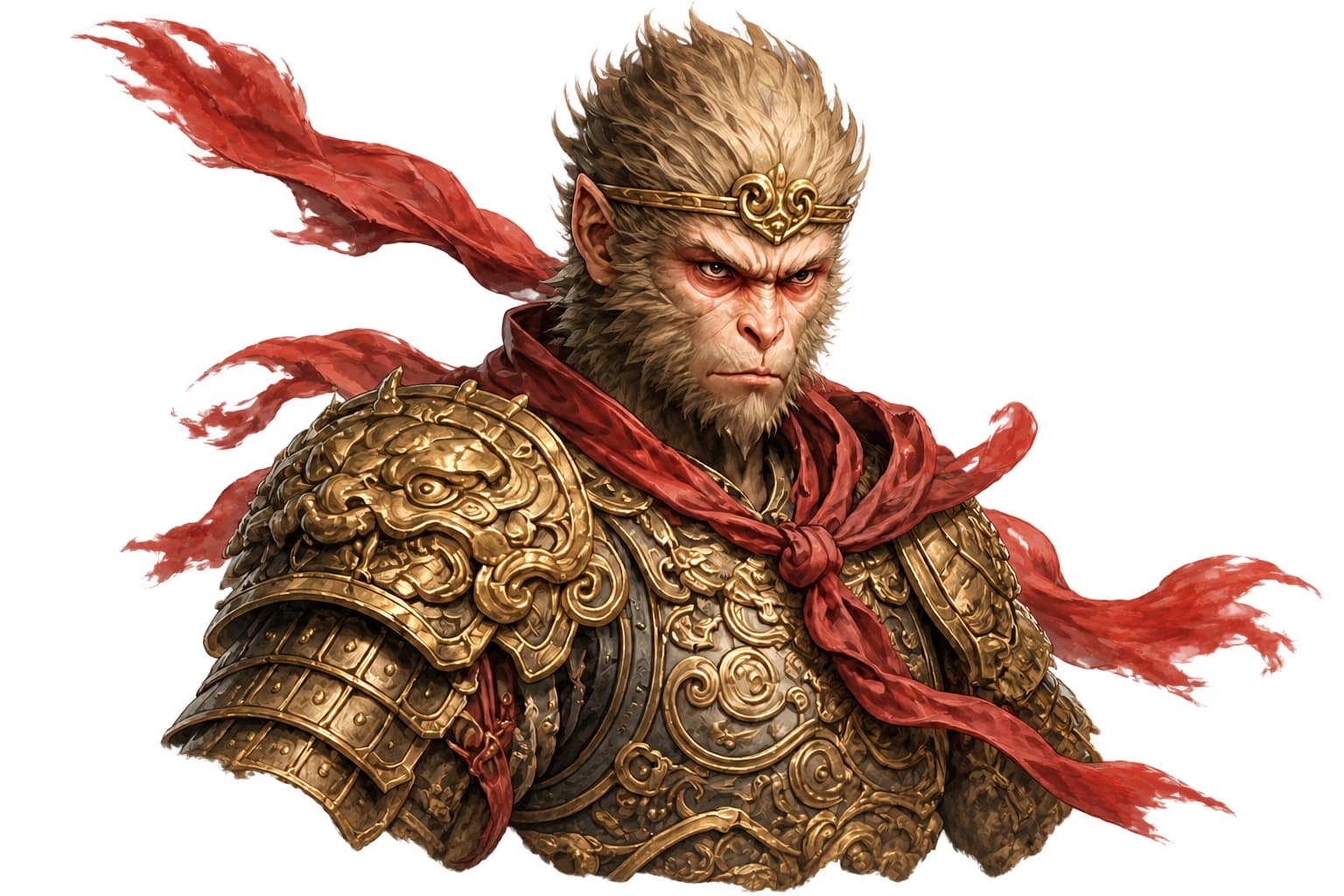
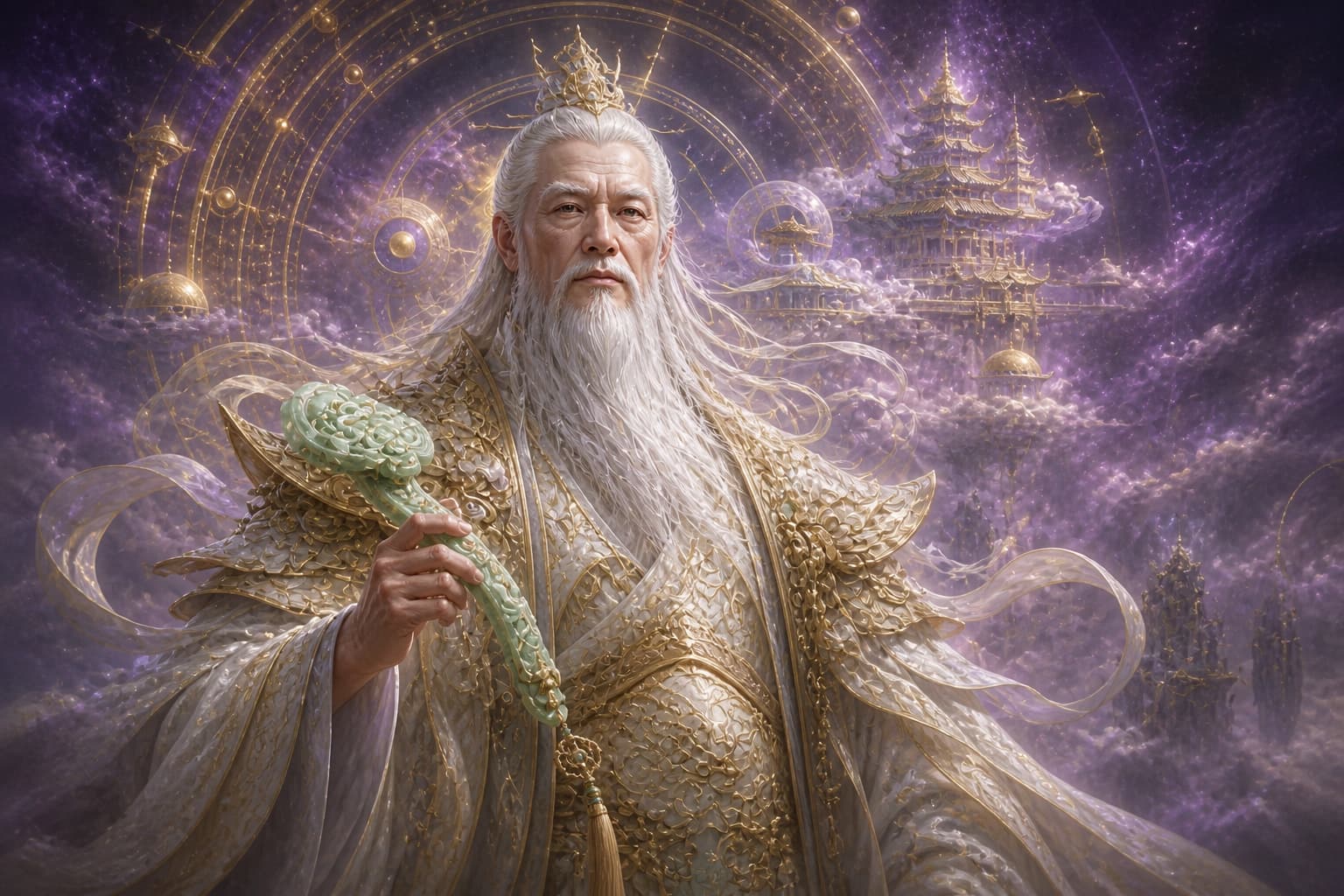
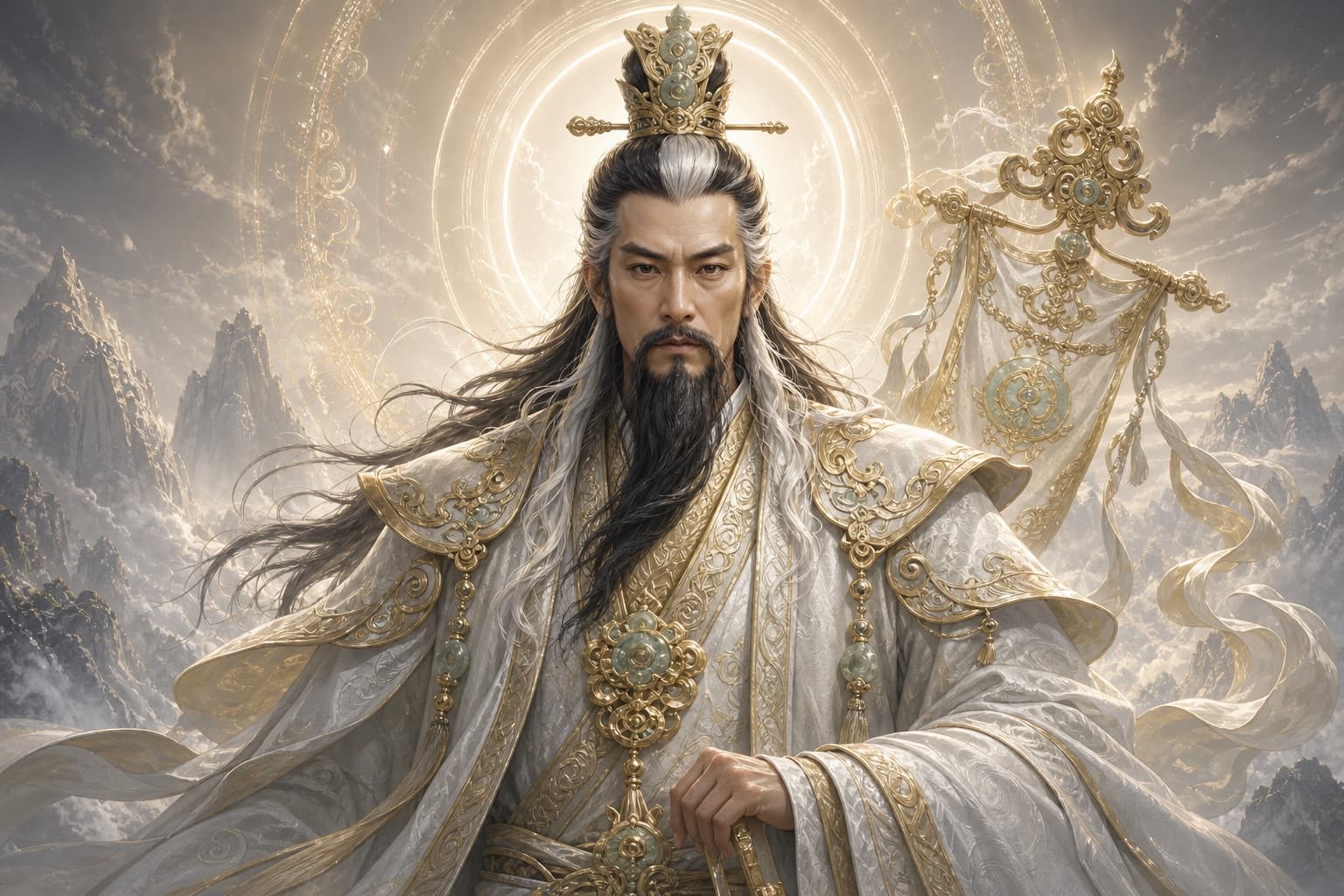
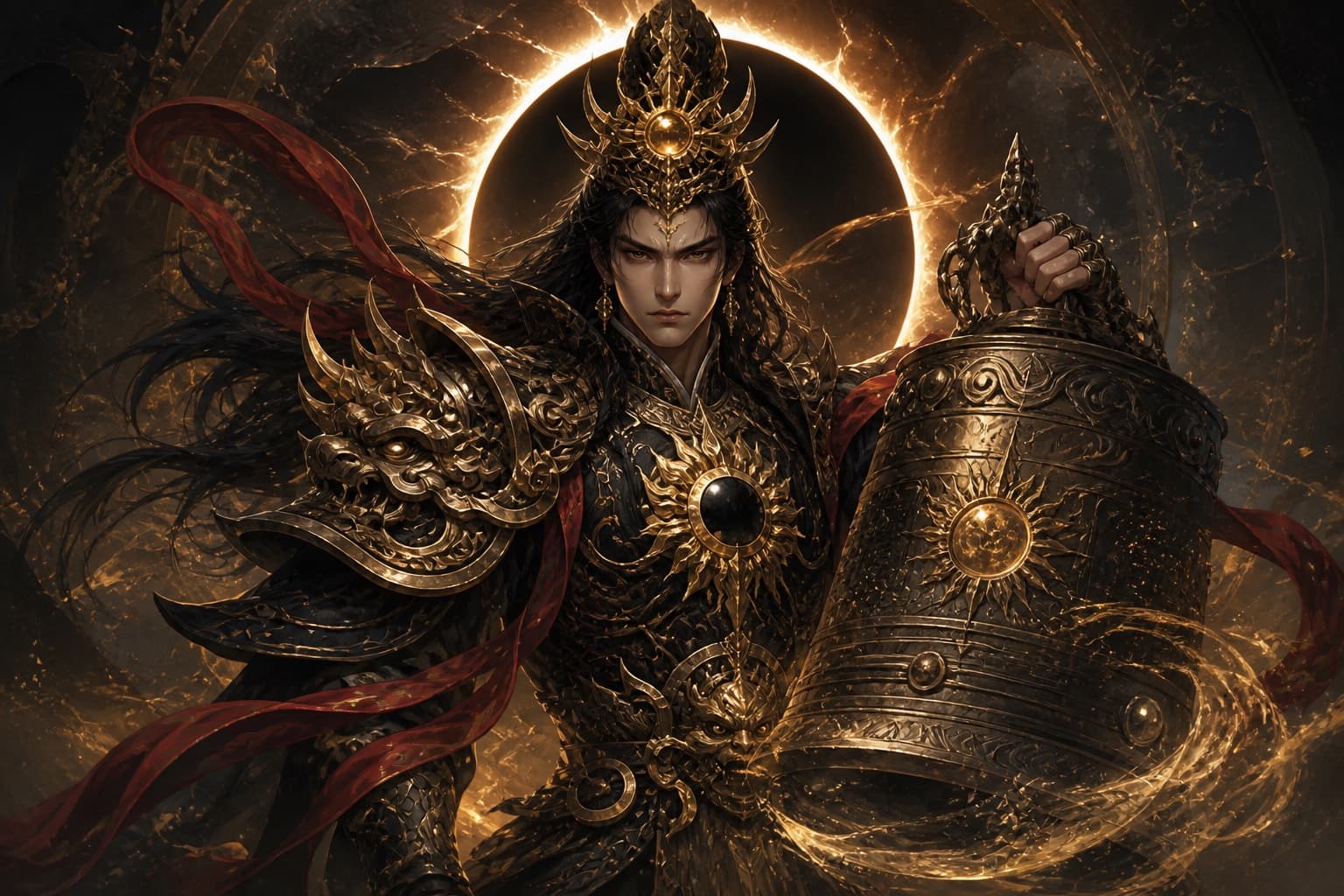
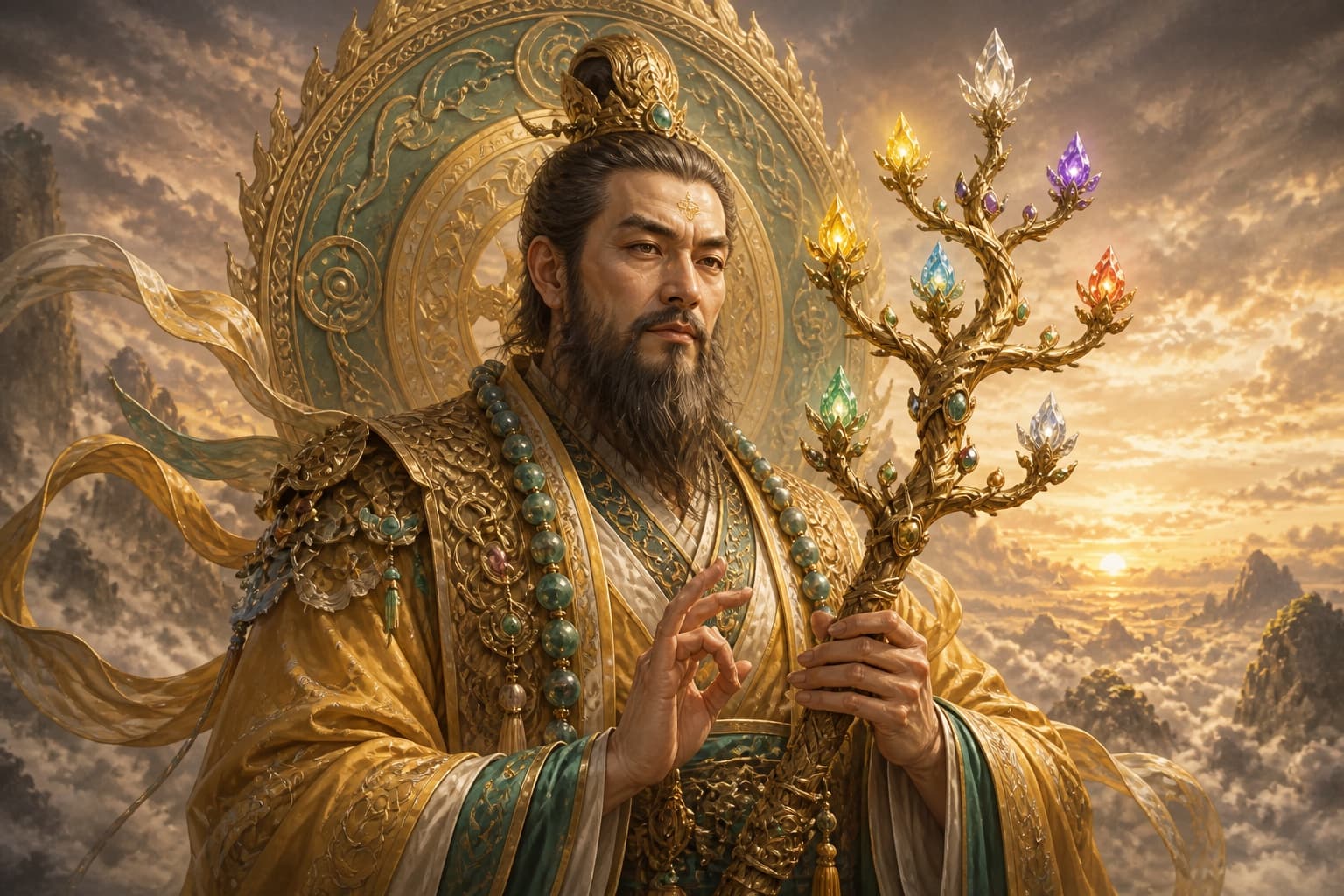
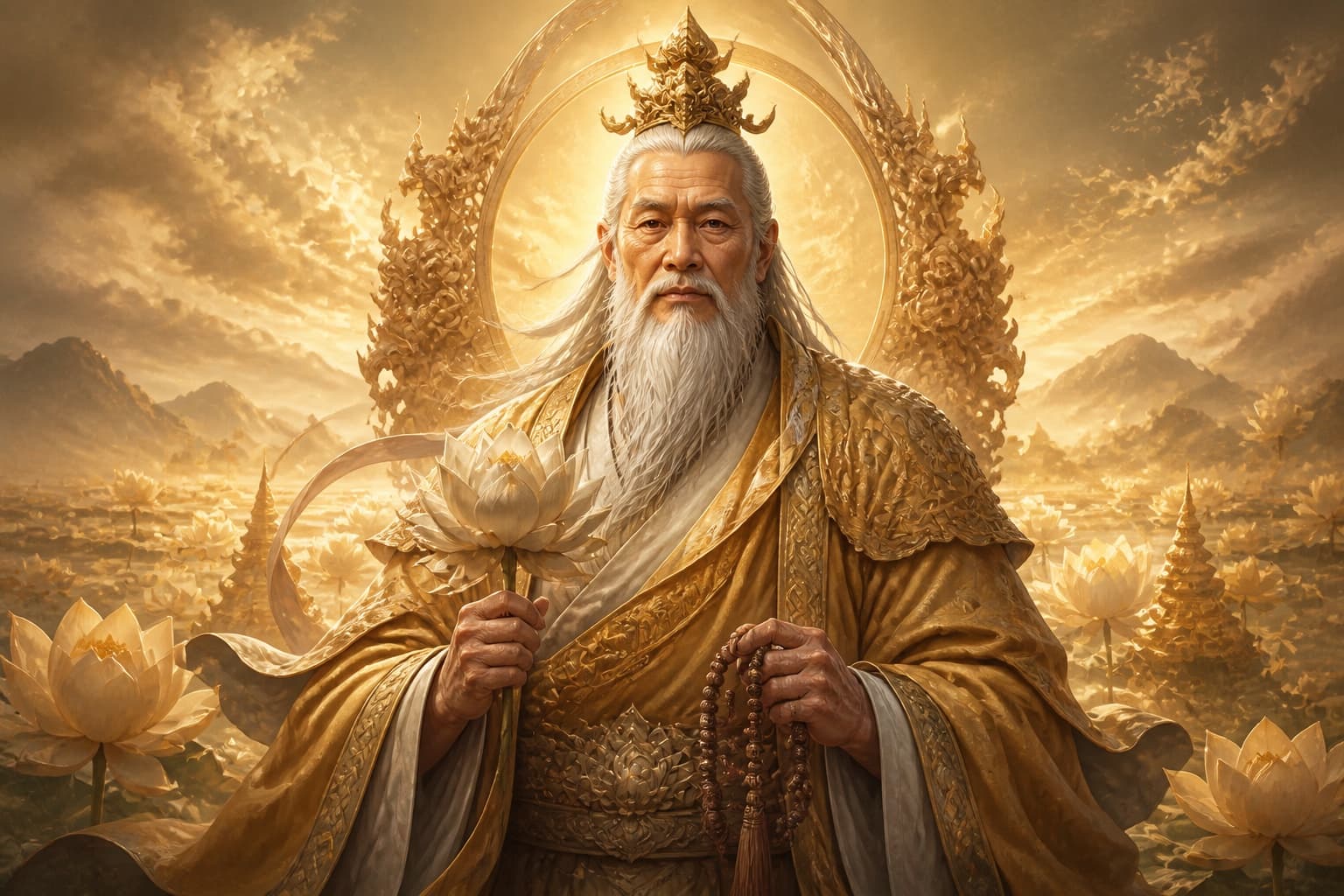
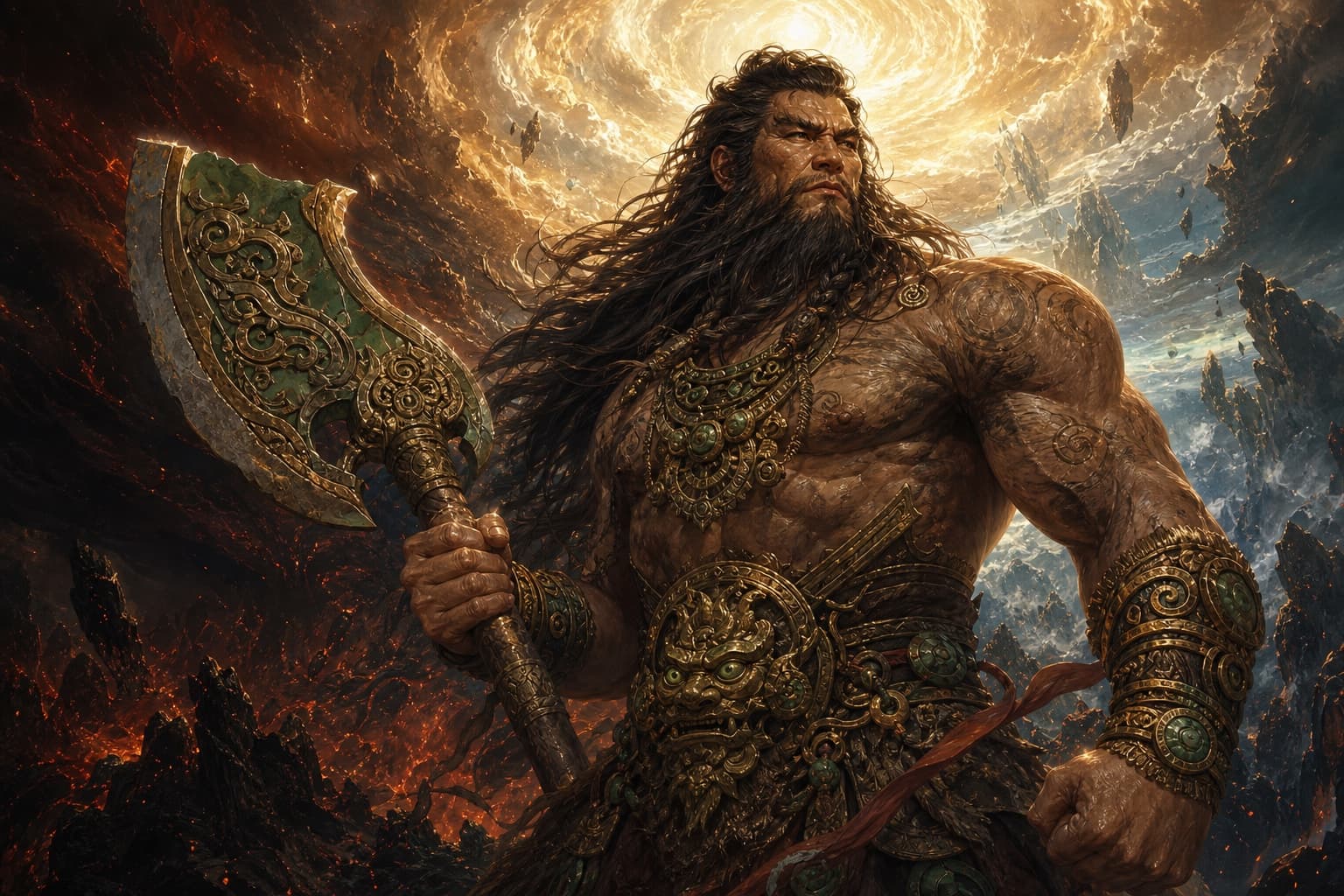
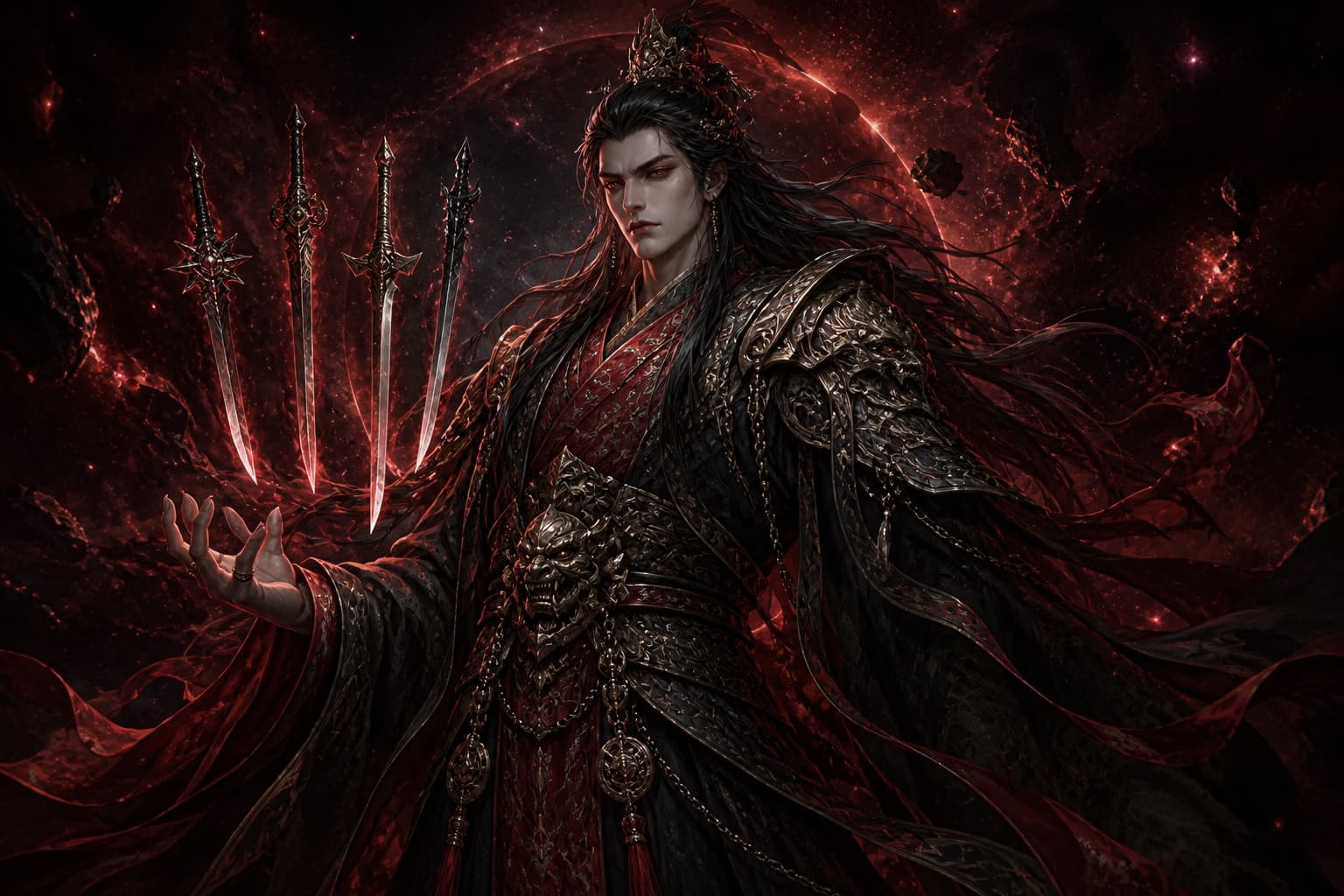
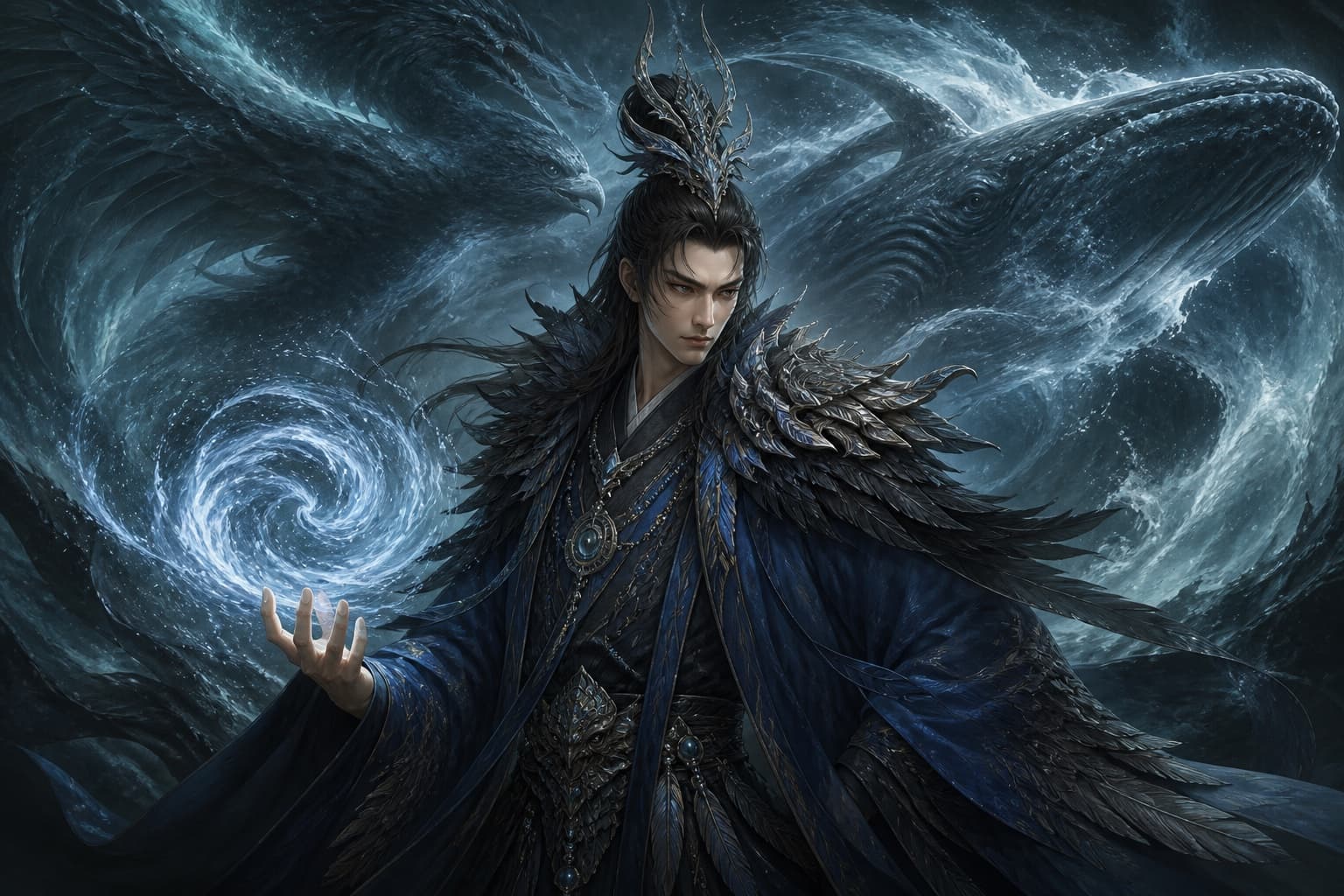
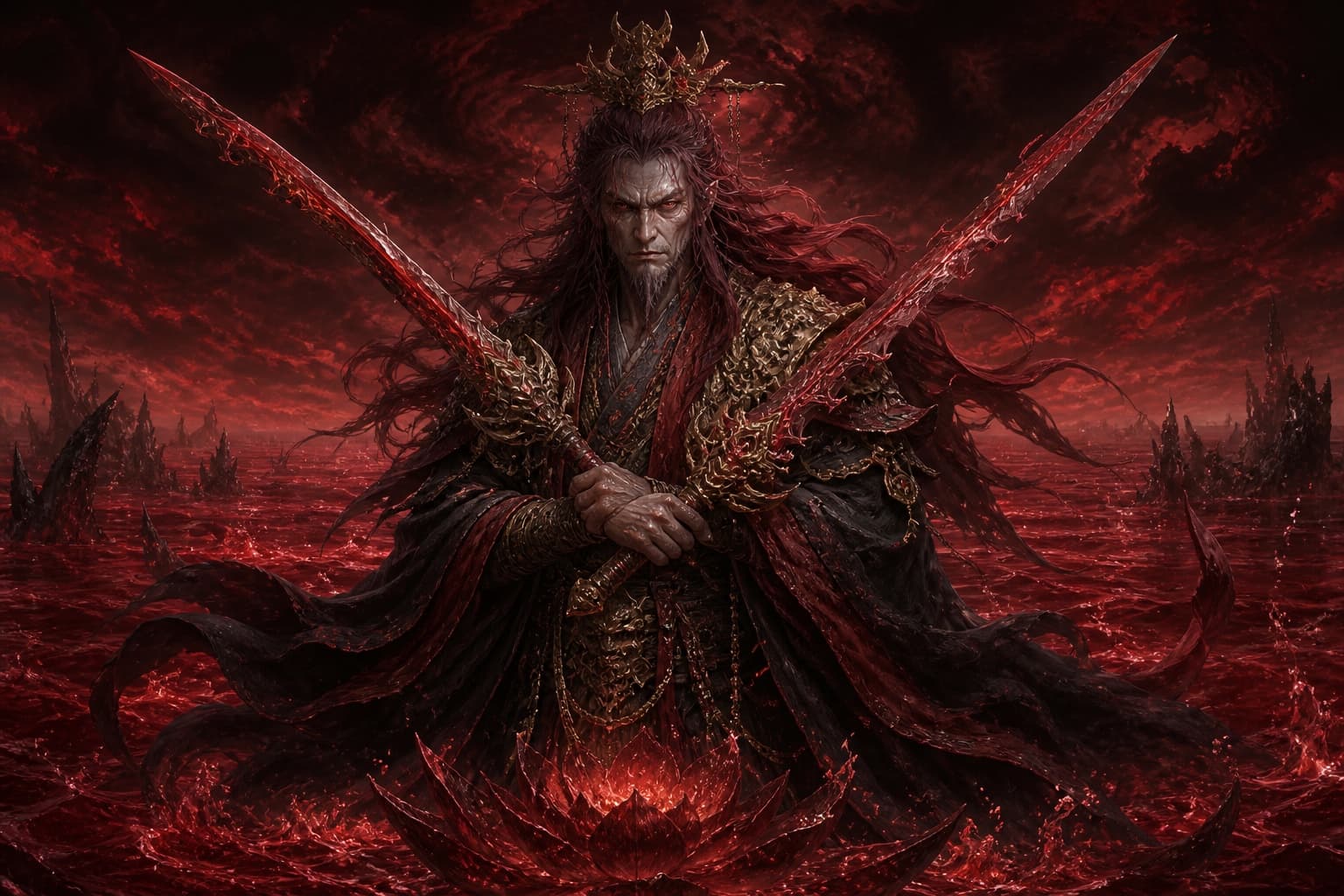
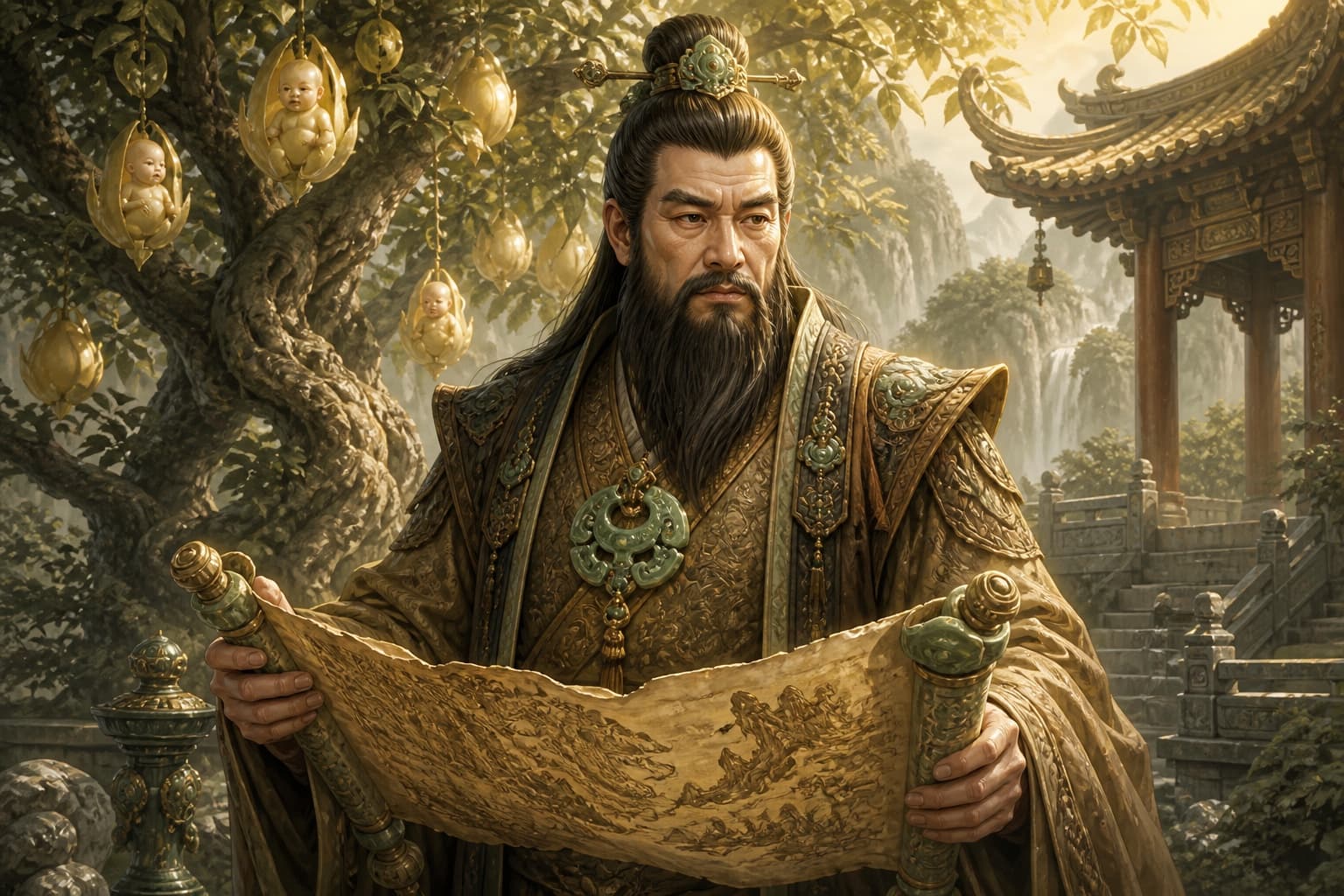
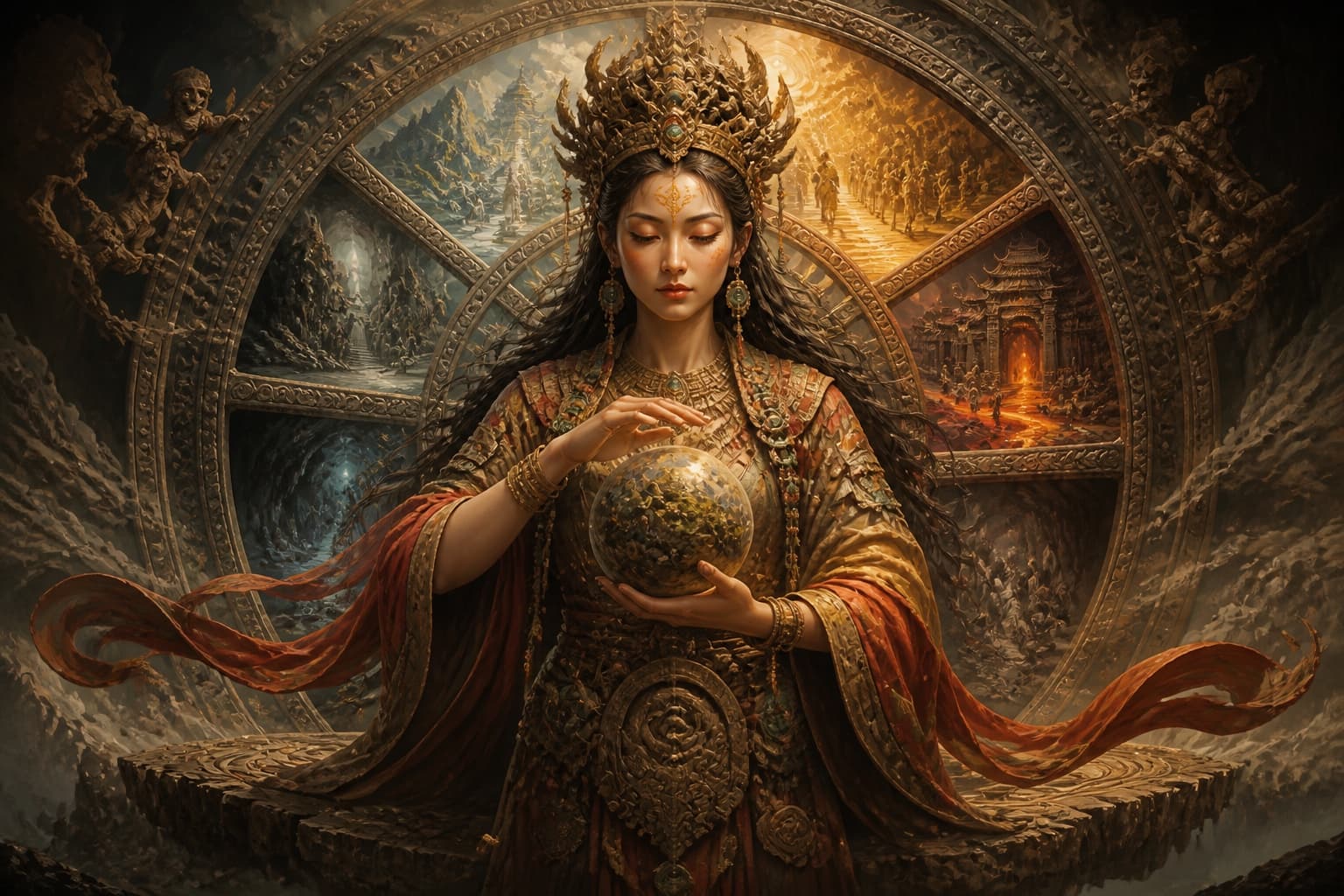
Houtu
The story
Houtu lived in Pangu Hall with the other eleven Ancestral Witches, forging no primordial spirit and holding the authority of the earth through her body and blood alone. The hall was silent all year, and voices were heard in it only when the Wu clan gathered to take counsel.
When the Wu clan first held the land of Honghuang, Houtu often went with the other Ancestral Witches to survey the four borders and read the lie of the country. Whenever peoples quarrelled over ground or the water and soil were thrown out of order, it was usually she who settled it, and she settled well; the Wu clan had always respected her for it.
After Dijun and Donghuang Taiyi founded the Yao Heavenly Court there was constant friction between the clans, and the Twelve Ancestral Witches together set out the Twelve Capital Gods and Demons Formation against the Yao clan’s Zhou-Heaven Star Formation. Houtu held one quarter of it and worked with the others.
After several engagements the field was covered with the dead, and the souls that had not entered rebirth drifted everywhere. Before the last decisive battle came, Houtu left Pangu Hall and went out alone, following the sound of weeping through the wilderness.
She passed old battlefields and abandoned settlements and saw bones lying bare in the blowing sand and souls circling among broken walls, unable to be born again and with nowhere to rest, and she went on towards the depths of the underworld.
Houtu crossed the edge of the sea of blood and came to the place where the dead gathered. The Twelve Ancestral Witches were still preparing for the next battle with the Yao clan; she did not go back to the Wu lines for the time being.
She followed the weeping and asked as she went. Some souls wandered among ruined walls and some circled on scorched ground, and when she asked where they were going none of them could answer. Houtu stood a long while and went no further.
She returned to Pangu Hall and told the other Ancestral Witches what she had seen. They said different things — some urged her to think again, some said nothing at all — and Houtu, having made up her mind, discussed it no further and left the hall alone.
Houtu went down into the depths of the underworld and found it undivided, without light or form, nothing there but a dead stillness. She raised the force of her Ancestral Witch blood there, meaning to give herself up and open another order within it.
She gave up her Ancestral Witch body and let her flesh merge with the root of the underworld. After an unknown length of time she became the six paths of rebirth, and from then on the dead could pass, according to the causes of their lives, into the ways of devas, asuras, humans, animals, hungry ghosts and hells, and turn within them, no longer without a home.
With the six paths open, order came into the underworld. The lonely souls that had drifted through the wilds were led one after another into their paths, the weeping quieted, and the depths of the underworld were no longer dead but had comings and goings of their own.
In the first years of the turning wheel the underworld was still a bare place with a great deal of business to manage. What Houtu had become kept the wheel turning; every newly dead soul was assigned in order among the six paths, and the order settled little by little.
Another version says that having governed the underworld for long ages Houtu was honoured as the Earthly Saint, ranked with the saints of heaven, earth, humankind, the buddhas and the demons, holding authority over life, death and rebirth in the underworld. This does not quite agree with the account of her as Lady Pingxin; the two come from different later traditions and have never been reconciled.
Other accounts stress only her becoming the six paths and say nothing about whether she took a further title or ever appeared in the world again, noting only that the underworld has turned without pause ever since — so that when the Investiture and the pilgrimage came, it was still receiving the dead by the old rule.
On what Houtu did between the Wu–Yao war and the opening of the six paths the versions differ in detail. What is told here is only the commoner thread; other versions place the events in a different order and add different particulars.
Relationship map
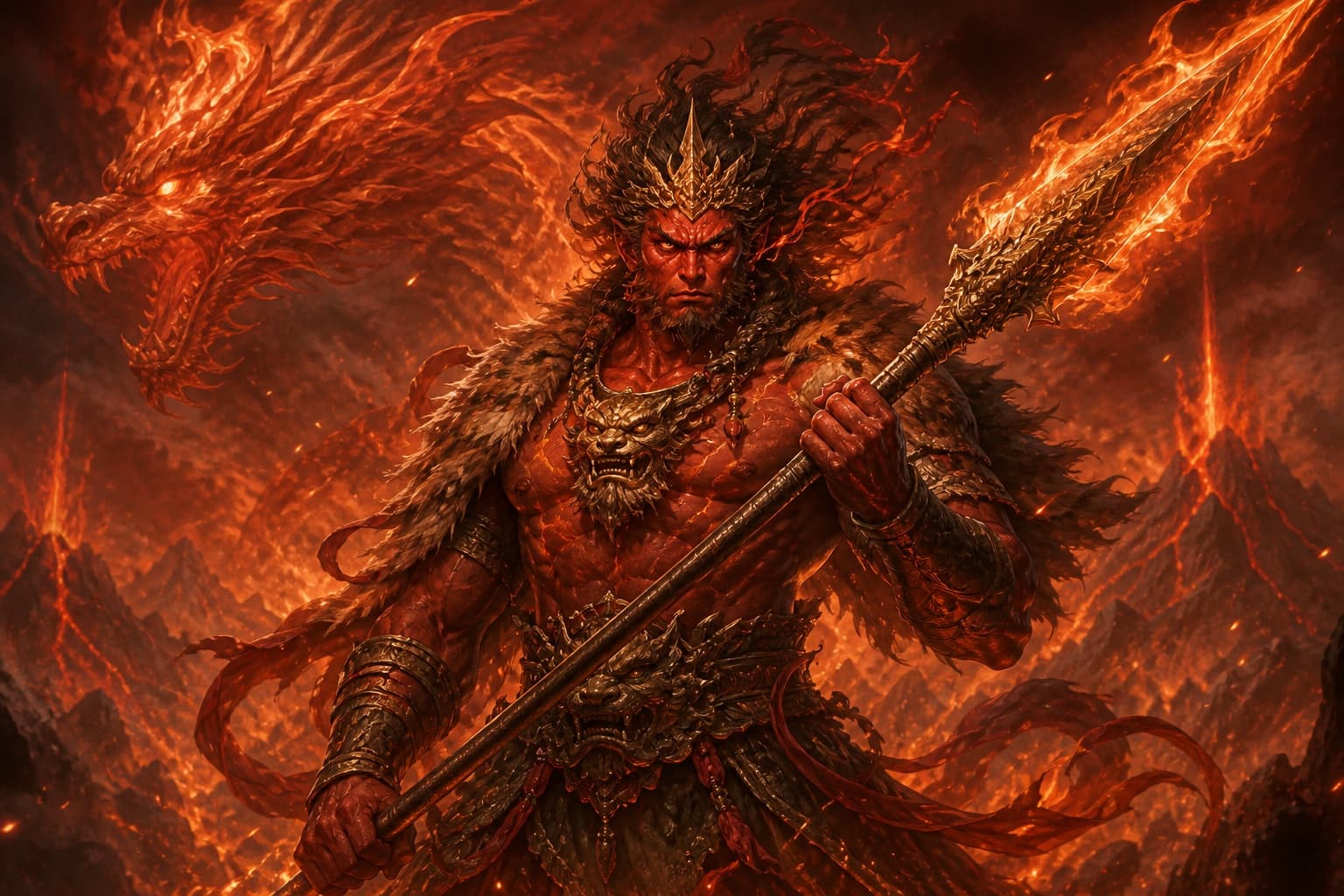
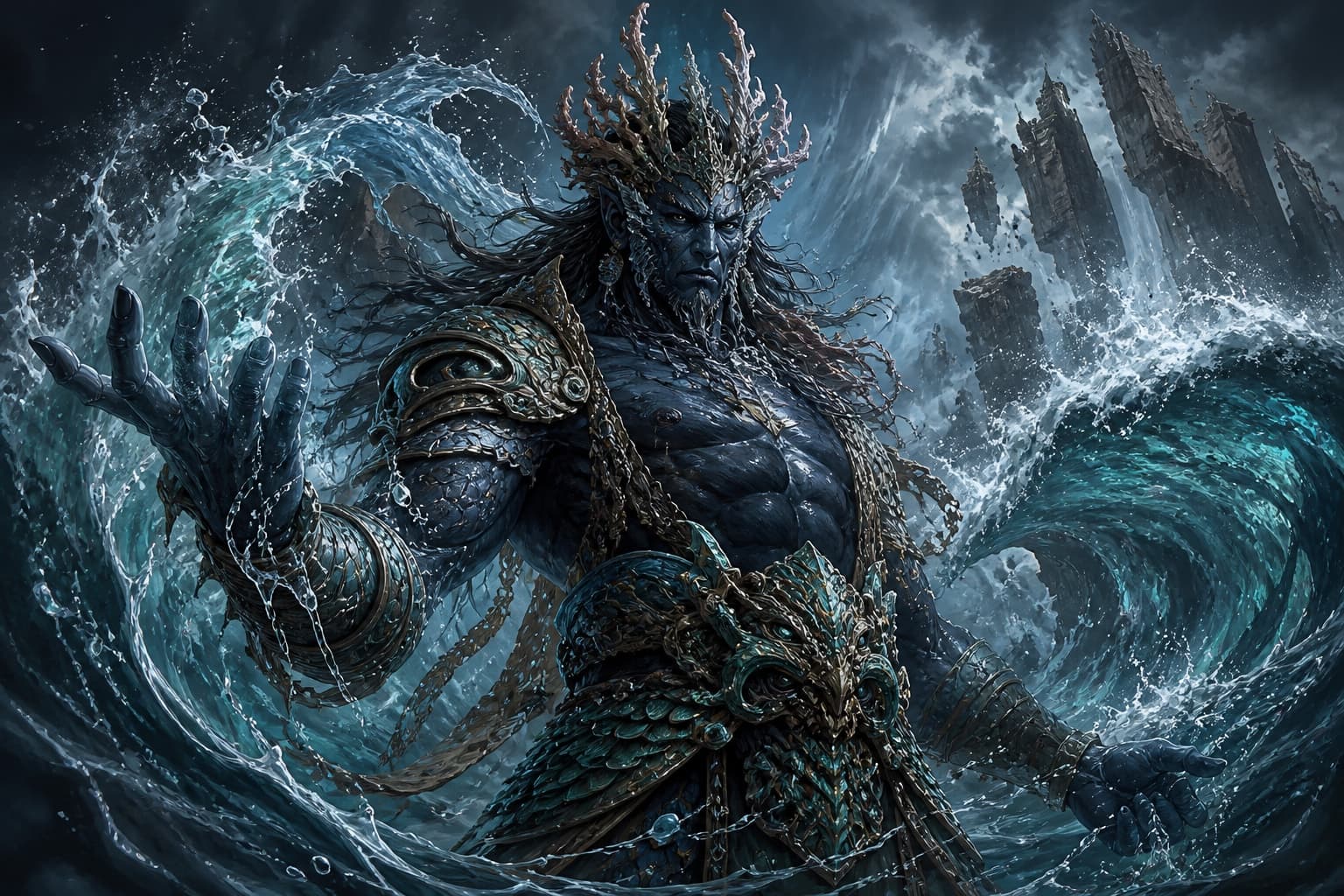
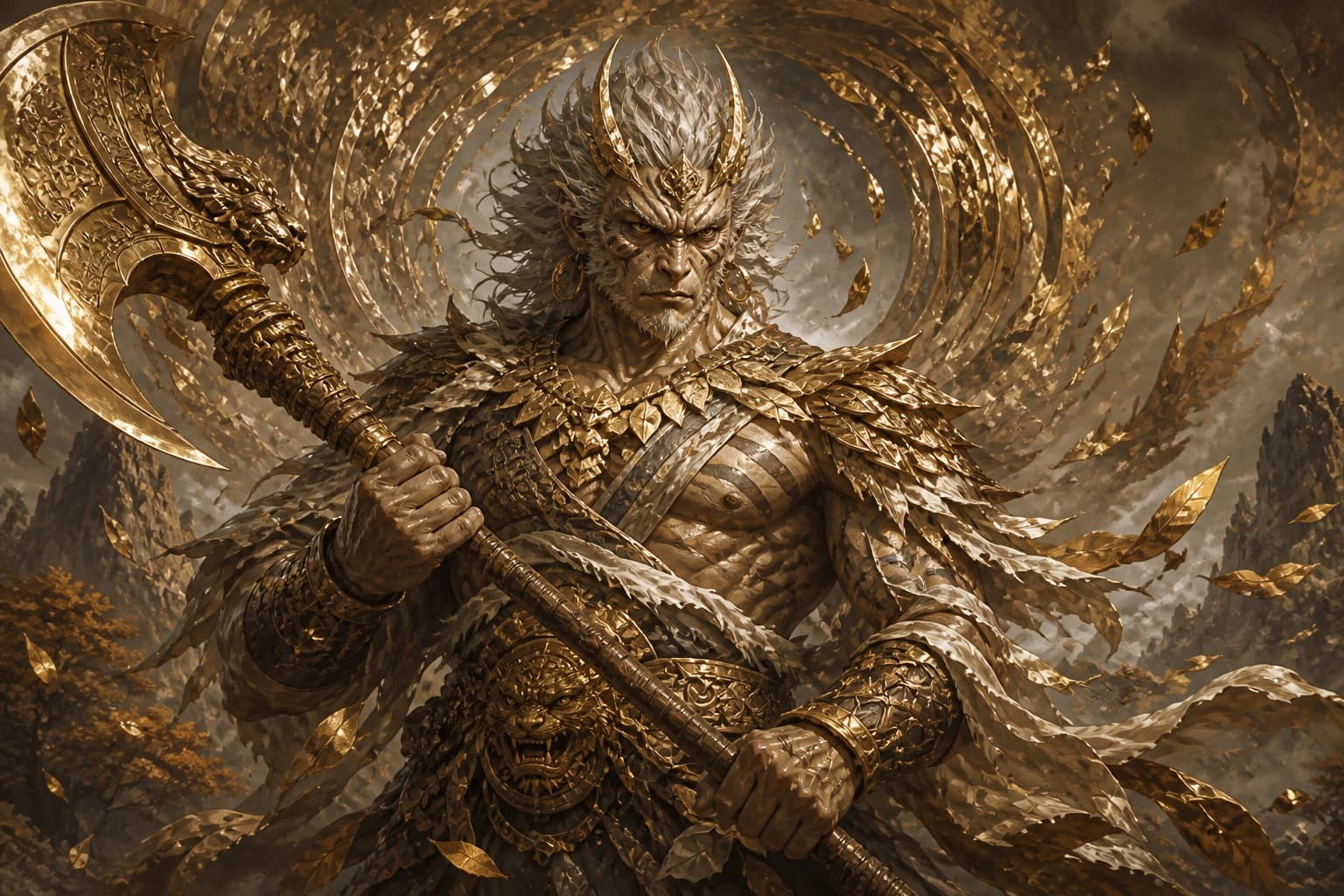
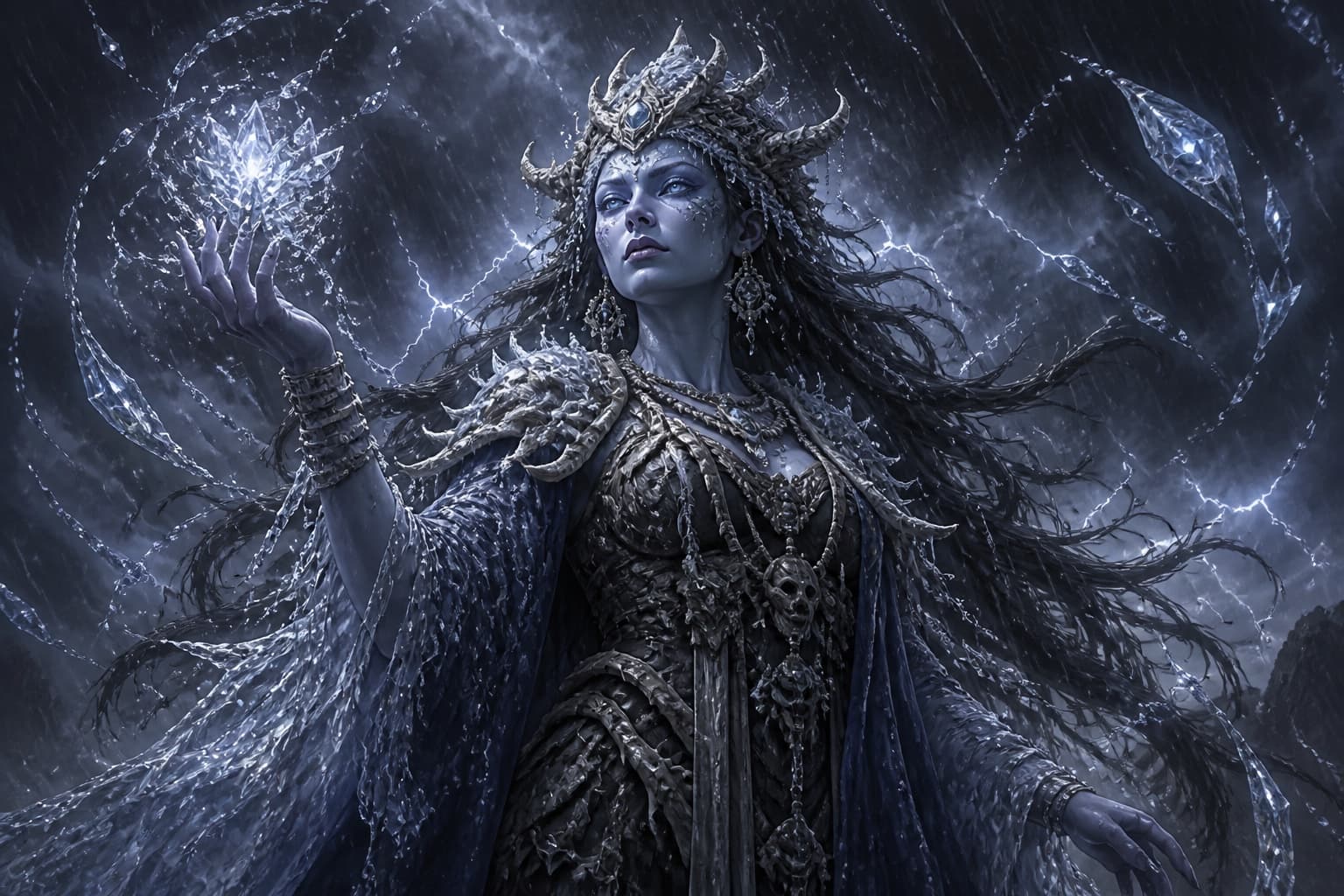
More relationships
Relationship story
Select a label on one of the lines to read when the two met, what happened next, and how it ended.
Selecting a portrait still opens that entry directly.