Complete index · 96
- Sun Wukong
- Hongjun Daozu
- Yuanshi Tianzun
- Tongtian Jiaozhu
- Taiqing Laozi
- Nüwa
- Dijun
- Donghuang Taiyi
- Zhunti Daoren
- Jieyin Daoren
- Houtu
- Pangu
- Luohou
- Kunpeng
- Minghe Laozu
- Zhenyuanzi
- Hongyun Laozu
- Fuxi
- Randeng Daoren
- Hou Yi
- Chang’e
- Dijiang
- Zhujiuyin
- Jumang
- Zhurong
- Gonggong
- Rushou
- Xuanming
- Qiangliang
- Xizi
- Tianwu
- Shebishi
- Guangchengzi
- Chijingzi
- Taiyi Zhenren
- Yuding Zhenren
- Huanglong Zhenren
- Wenshu Guangfa Tianzun
- Puxian Zhenren
- Cihang Daoren
- Juliusun
- Daoxing Tianzun
- Qingxu Daode Zhenjun
- Lingbao Dafashi
- Xuandu Dafashi
- Nanji Xianweng
- Yunzhongzi
- Yang Jian
- Nezha
- Duobao Daoren
- Jinling Shengmu
- Wudang Shengmu
- Guiling Shengmu
- Zhao Gongming
- Yunxiao
- Qiongxiao
- Bixiao
- Jiang Ziya
- Shen Gongbao
- Wen Zhong
- Di Xin
- Su Daji
- Ji Chang
- Ji Fa
- Huang Feihu
- Lei Zhenzi
- Kong Xuan
- Luya Daoren
- Tu Xingsun
- Deng Chanyu
- Jinzha
- Muzha
- Huang Tianhua
- Rulai
- Puti Zushi
- Guanyin
- Niu Mowang
- Zhu Bajie
- Sha Seng
- Four Heavenly Kings
- Li Jing
- Tang Sanzang
- Jade Emperor
- Queen Mother of the West
- Taibai Jinxing
- Bailongma
- Ao Guang
- Princess Iron Fan
- Red Boy
- Six-Eared Macaque
- Golden Horn and Silver Horn
- Yellow Brow
- Golden-Winged Great Peng
- Maitreya
- White Bone Demon
- Yellow Wind Demon
- TierDa Luo Golden Immortal, roughlySect / factionMount Huaguo / Buddhist attainmentSun WukongGreat Sage Equal to Heaven · Victorious Fighting Buddha
- TierHeaven’s-Way tier / Merged with the DaoSect / factionXuanmenHongjun DaozuAncestor of the Mystic Gate · merged himself into Heaven’s Way
- TierSaintSect / factionChanjiaoYuanshi TianzunSecond of the Three Pure Ones · head of the Chan Sect
- TierSaintSect / factionJiejiaoTongtian JiaozhuThird of the Three Pure Ones · head of the Jie Sect
- TierSaintSect / factionRenjiaoTaiqing LaoziFirst of the Three Pure Ones · head of the Human Sect
- TierSaintSect / factionWahuang Palace / close to the Yao clanNüwaMaker of humankind · mistress of Wahuang Palace
- TierQuasi-SaintSect / factionYao Heavenly CourtDijunHeavenly emperor of the Yao clan
- TierQuasi-Saint peakSect / factionYao Heavenly CourtDonghuang TaiyiWar god of the Yao clan
- TierSaintSect / factionWestern SectZhunti DaorenOne of the two saints of the West
- TierSaintSect / factionWestern SectJieyin DaorenOne of the two saints of the West
- TierSaint-level / Earthly Saint / Hunyuan Da LuoSect / factionWu clan → the underworldHoutuShe who became the six paths of rebirth
- TierGreat-Dao tier / Beyond Heaven’s WaySect / factionNonePanguHe who split heaven from earth
- TierQuasi-Saint peak / Hunyuan Da Luo / Saint-levelSect / factionModaoLuohouAncestor of the demonic path
- TierQuasi-SaintSect / factionNorthern sea / Yao Heavenly CourtKunpengLord of the northern sea · Yao preceptor
- TierQuasi-Saint peakSect / factionSea of blood / Asura SectMinghe LaozuLord of the sea of blood
- TierQuasi-SaintSect / factionIndependent / the earthbound immortal lineageZhenyuanziAncestor of the earthbound immortals
- TierDa Luo peak / Quasi-SaintSect / factionIndependentHongyun LaozuAt the centre of the quarrel over sainthood
- TierQuasi-SaintSect / factionYao clan / humankindFuxiBrother of Nüwa · Heavenly Sovereign of humankind
- TierQuasi-Saint / Da LuoSect / factionChanjiao, later the WestRandeng DaorenDeputy head of the Chan Sect
- TierDa Luo Golden Immortal, roughly / Great WitchSect / factionHuman hero / Great Witch of the Wu clanHou YiThe archer who shot down the suns
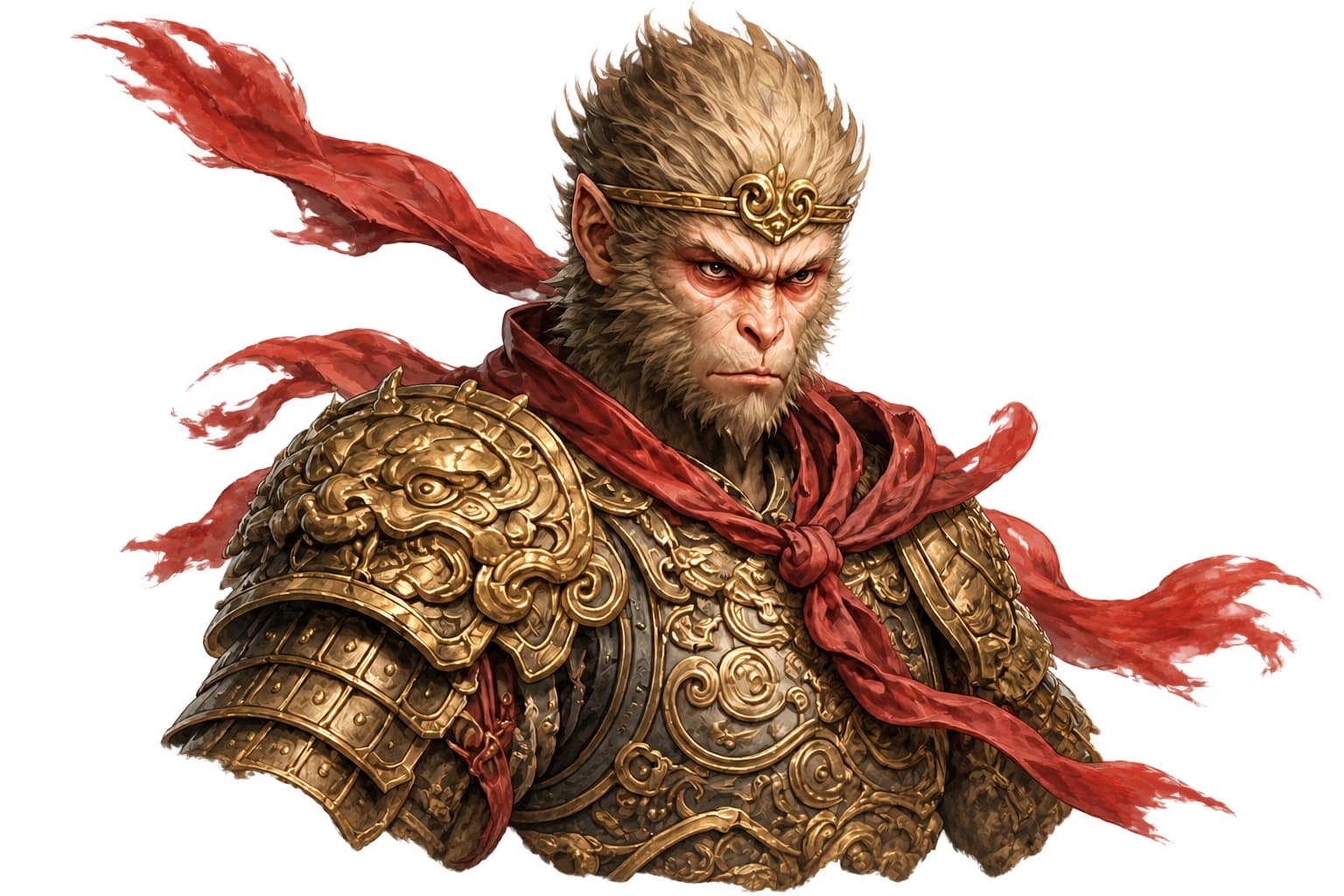
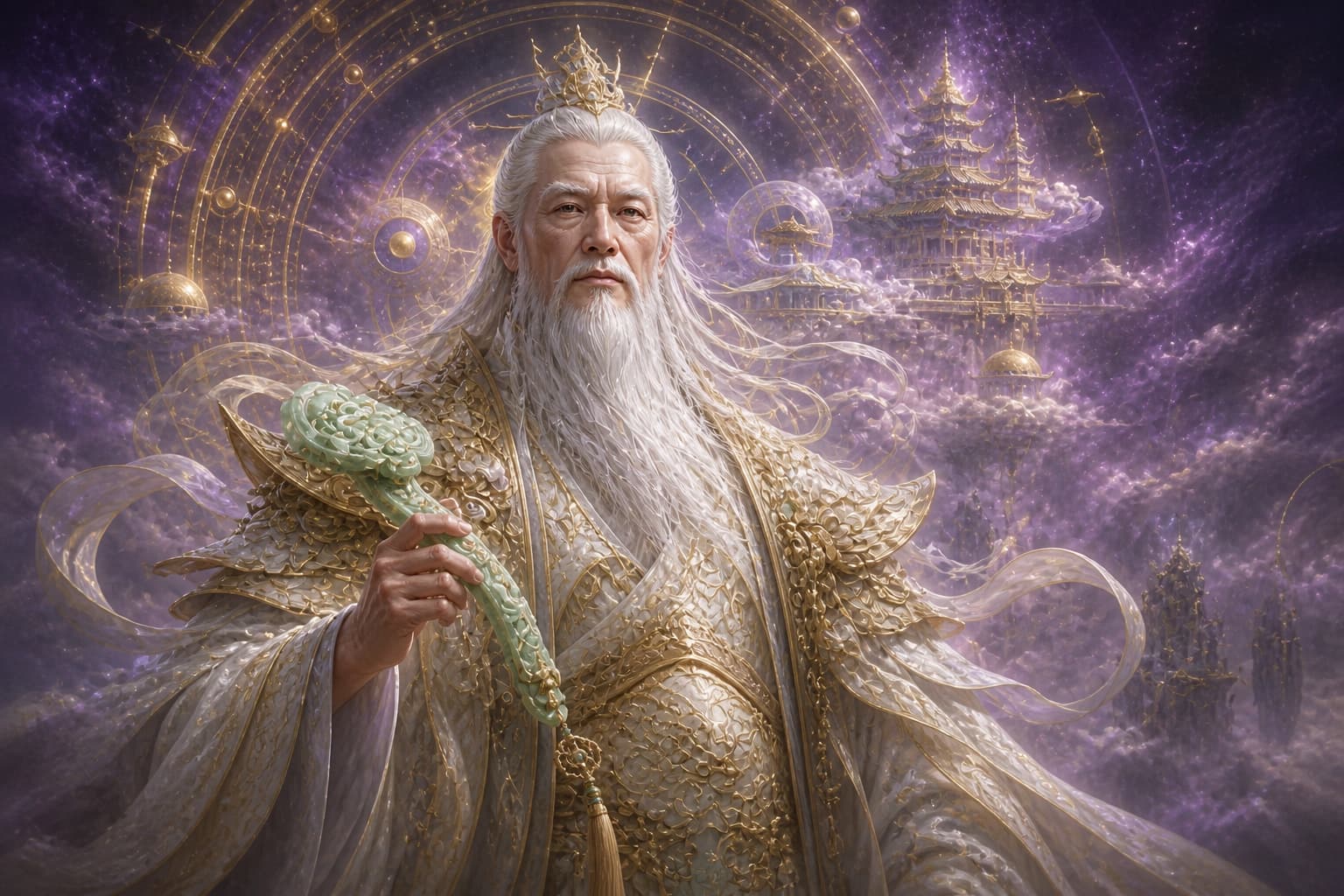
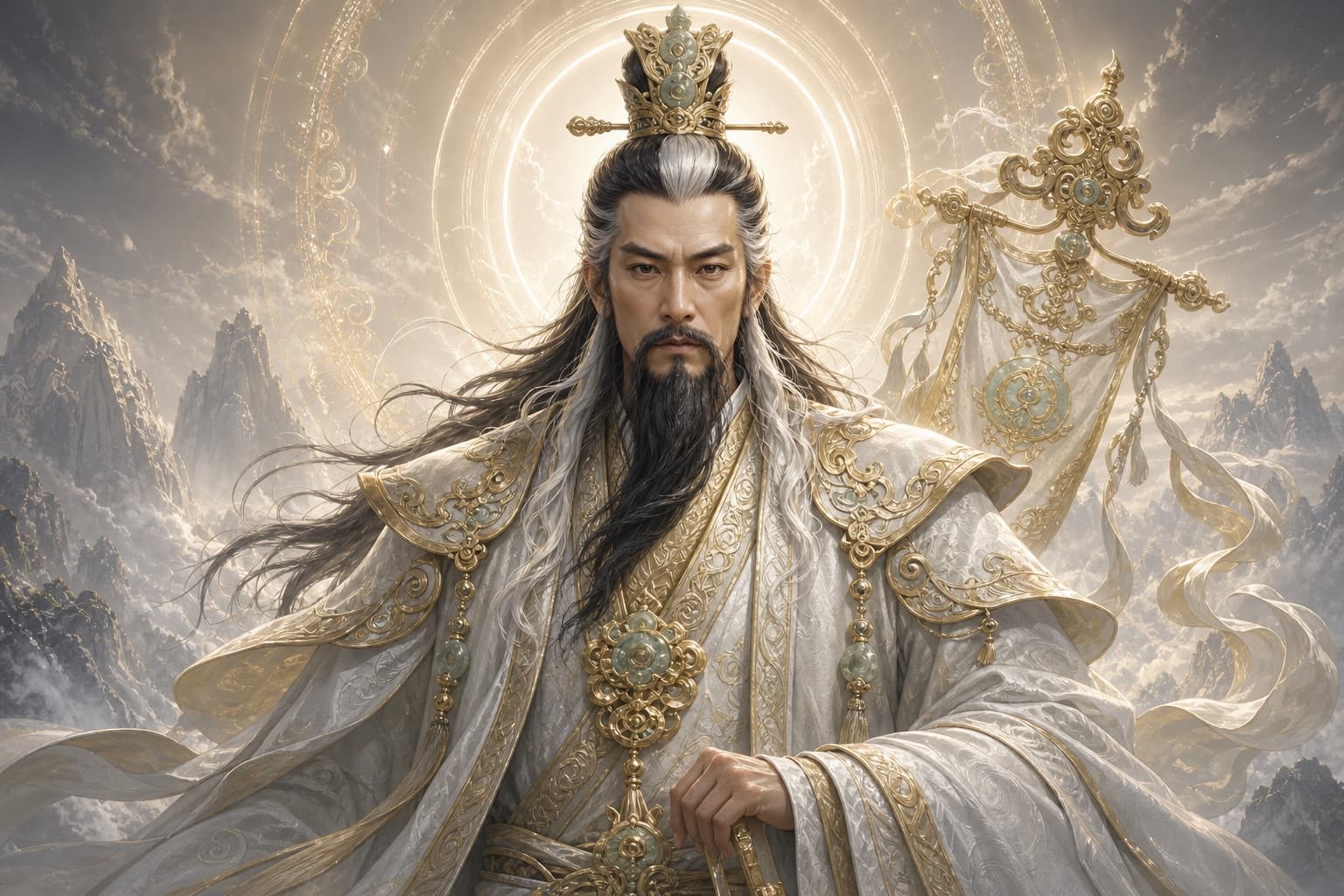
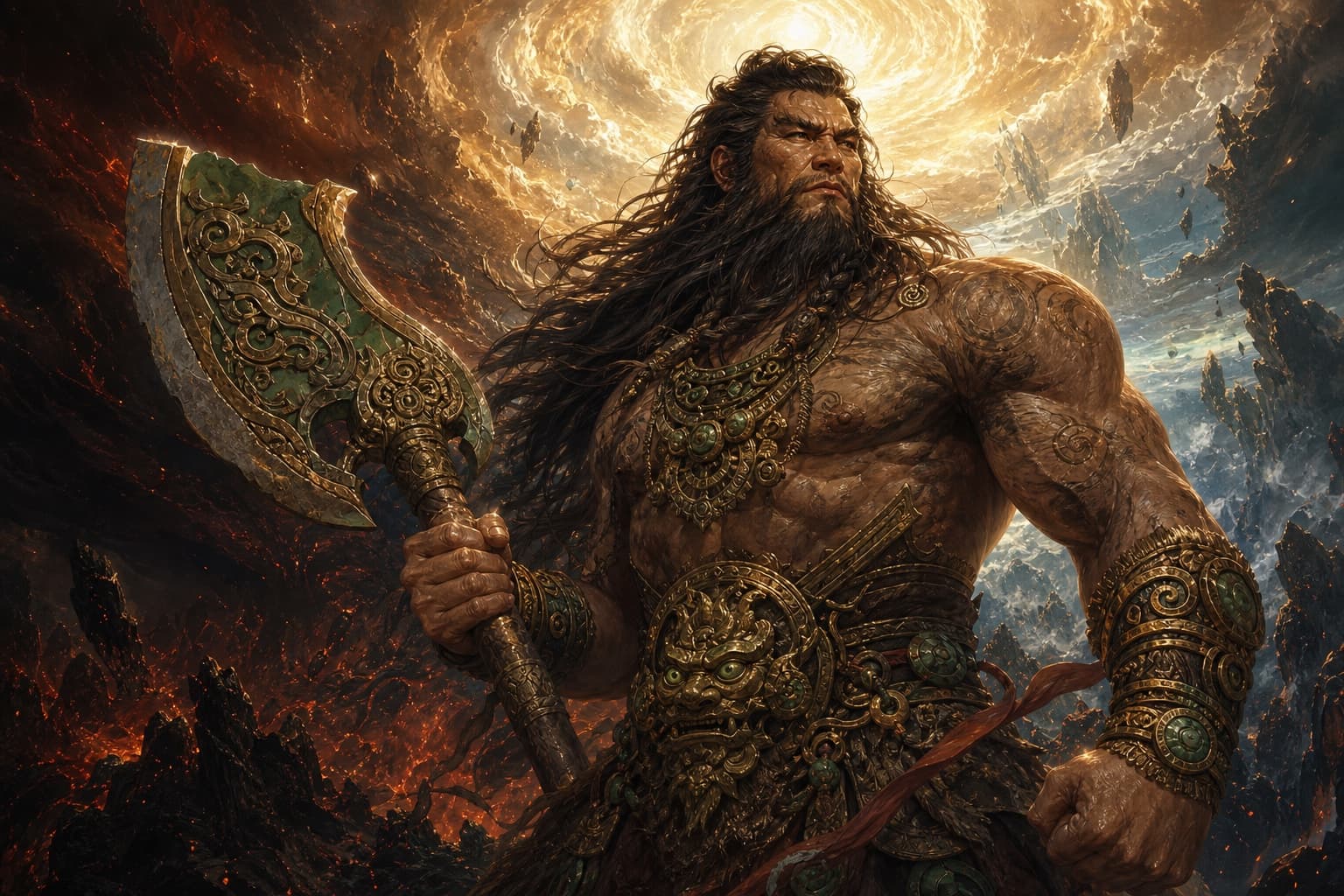
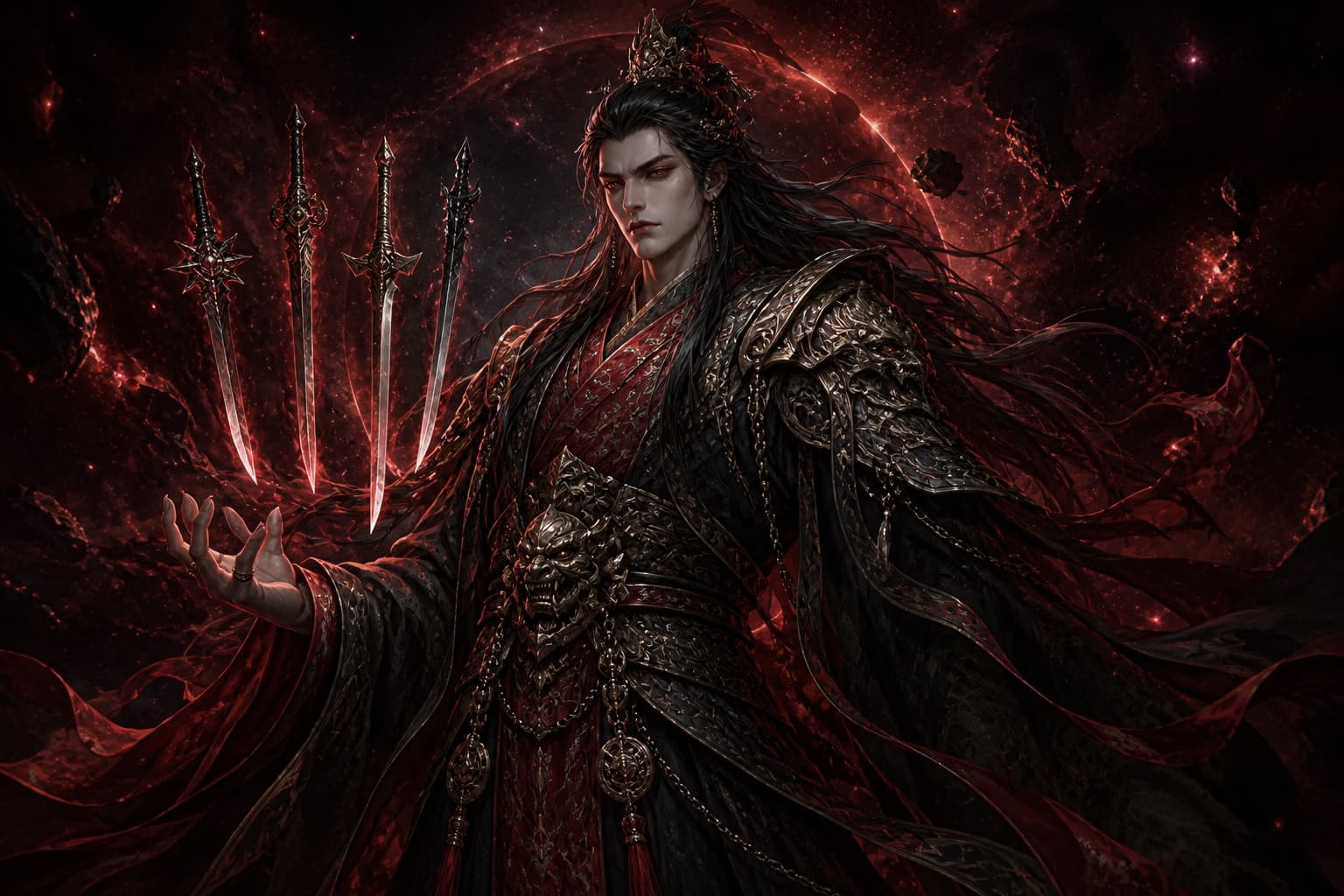
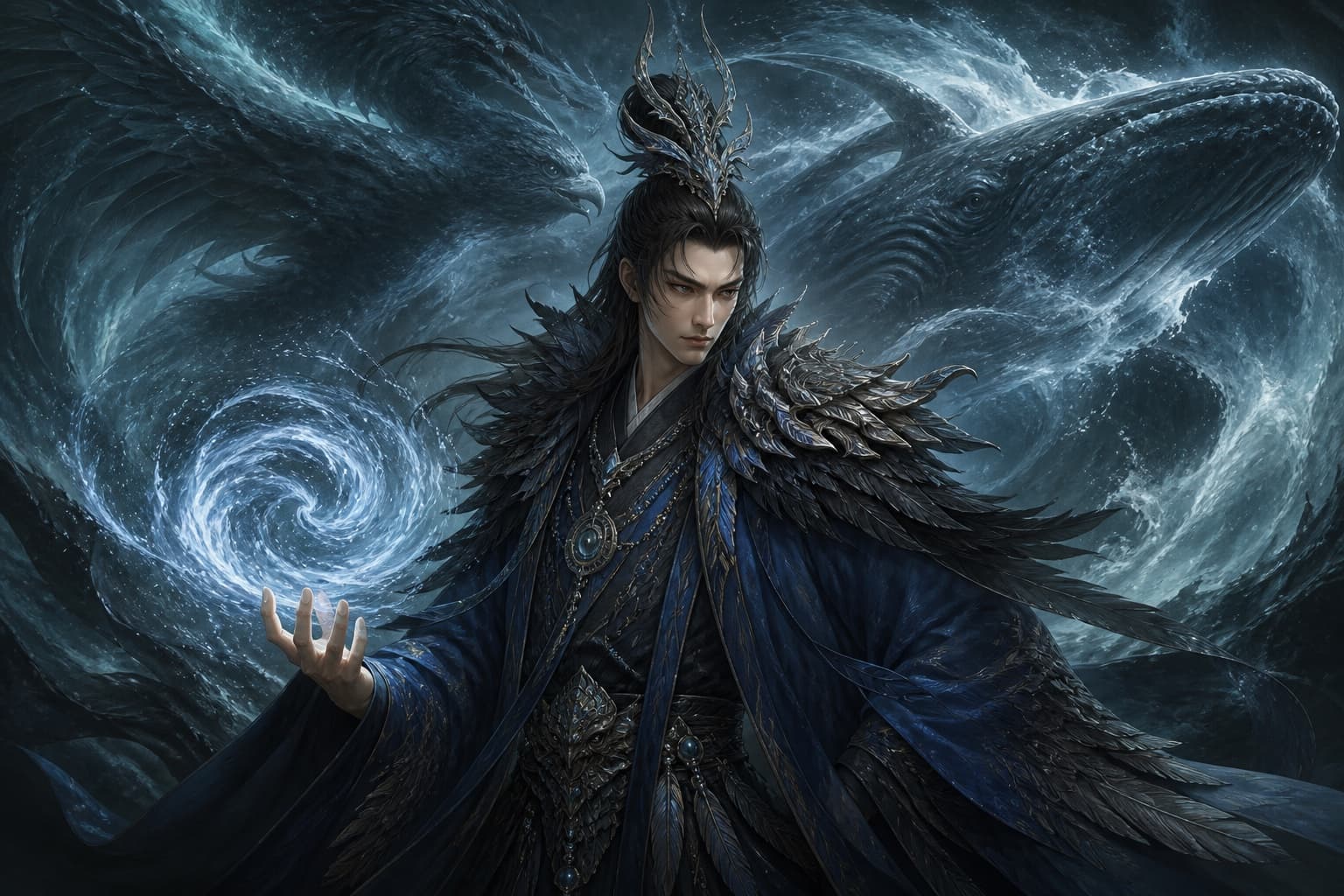
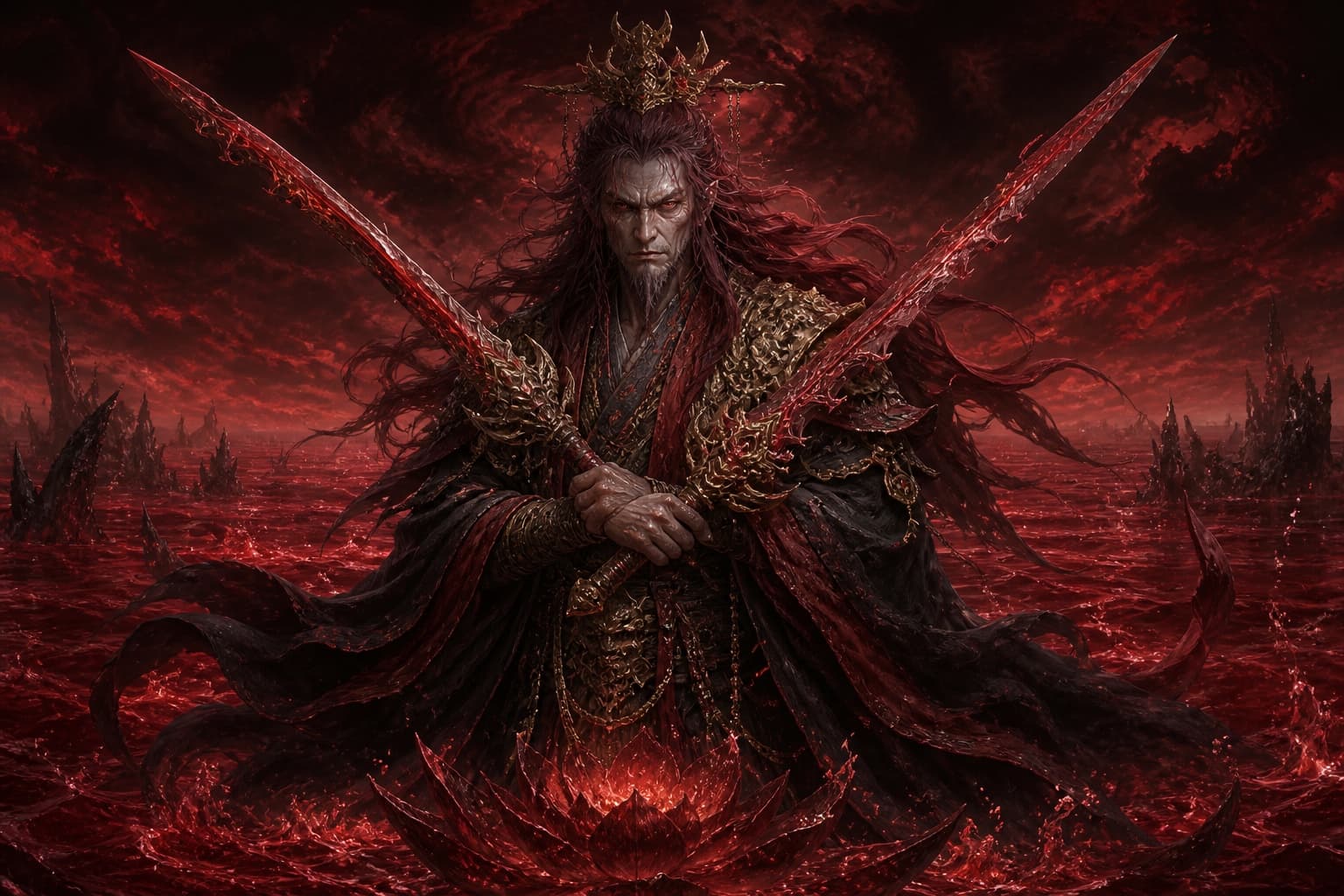
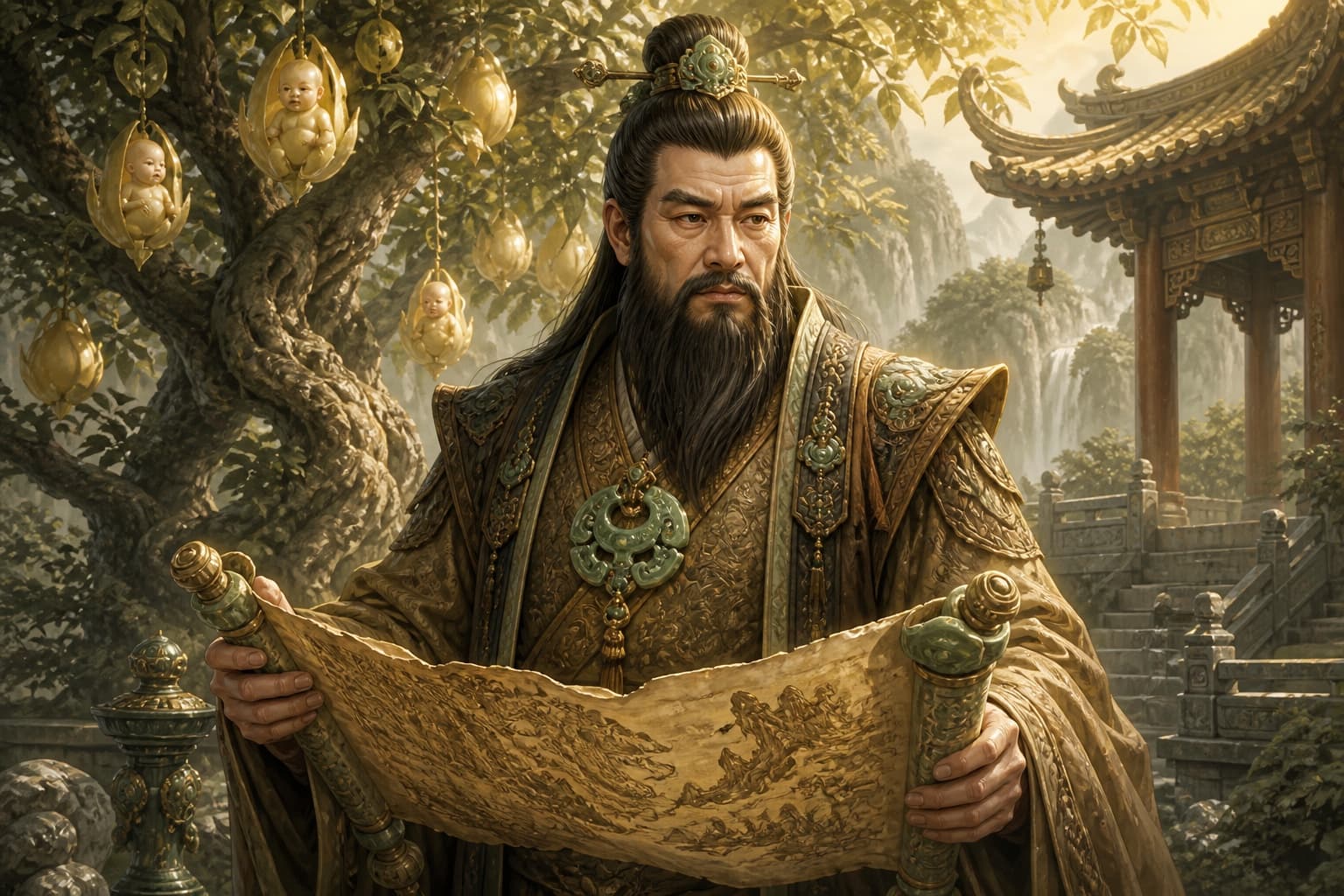
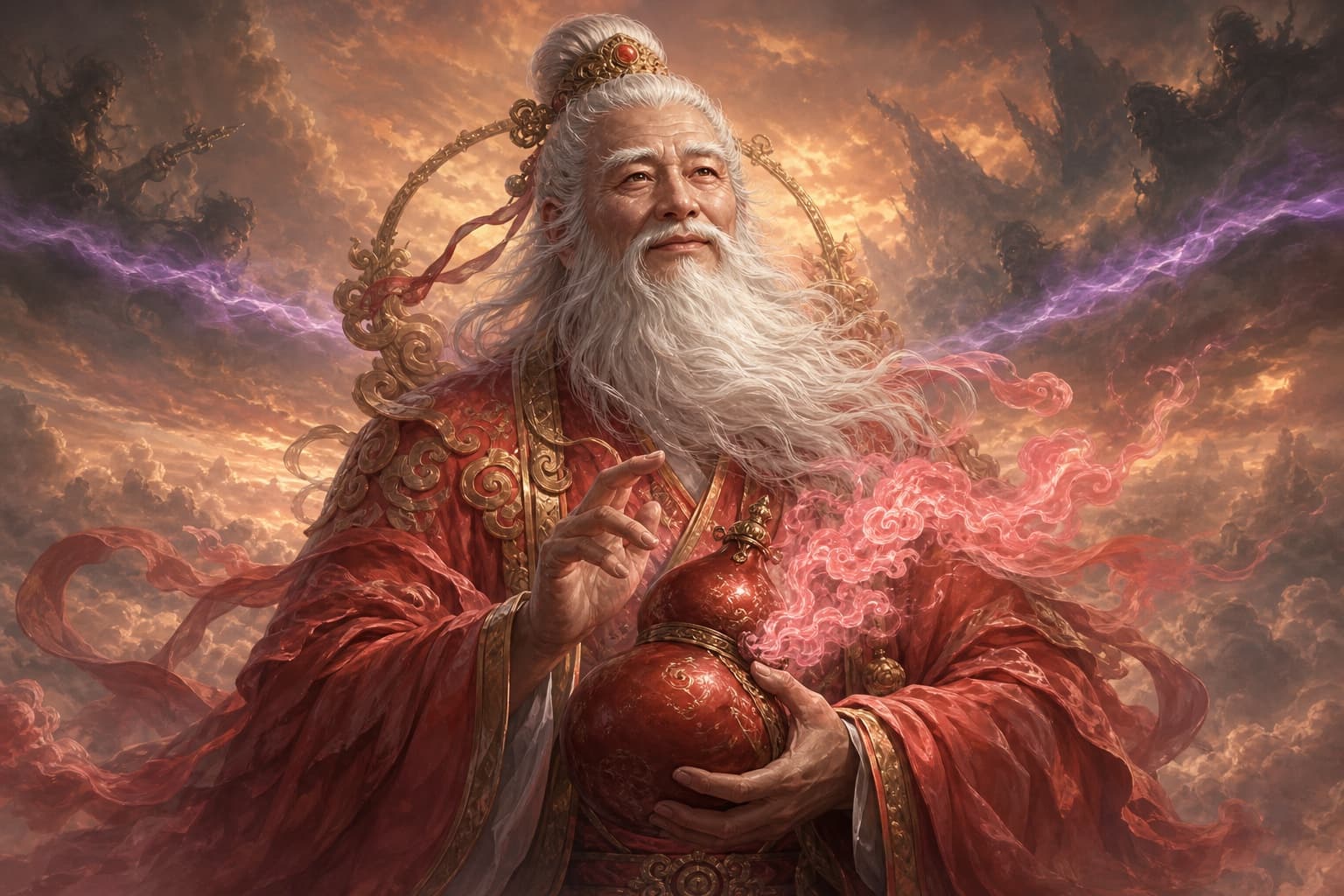
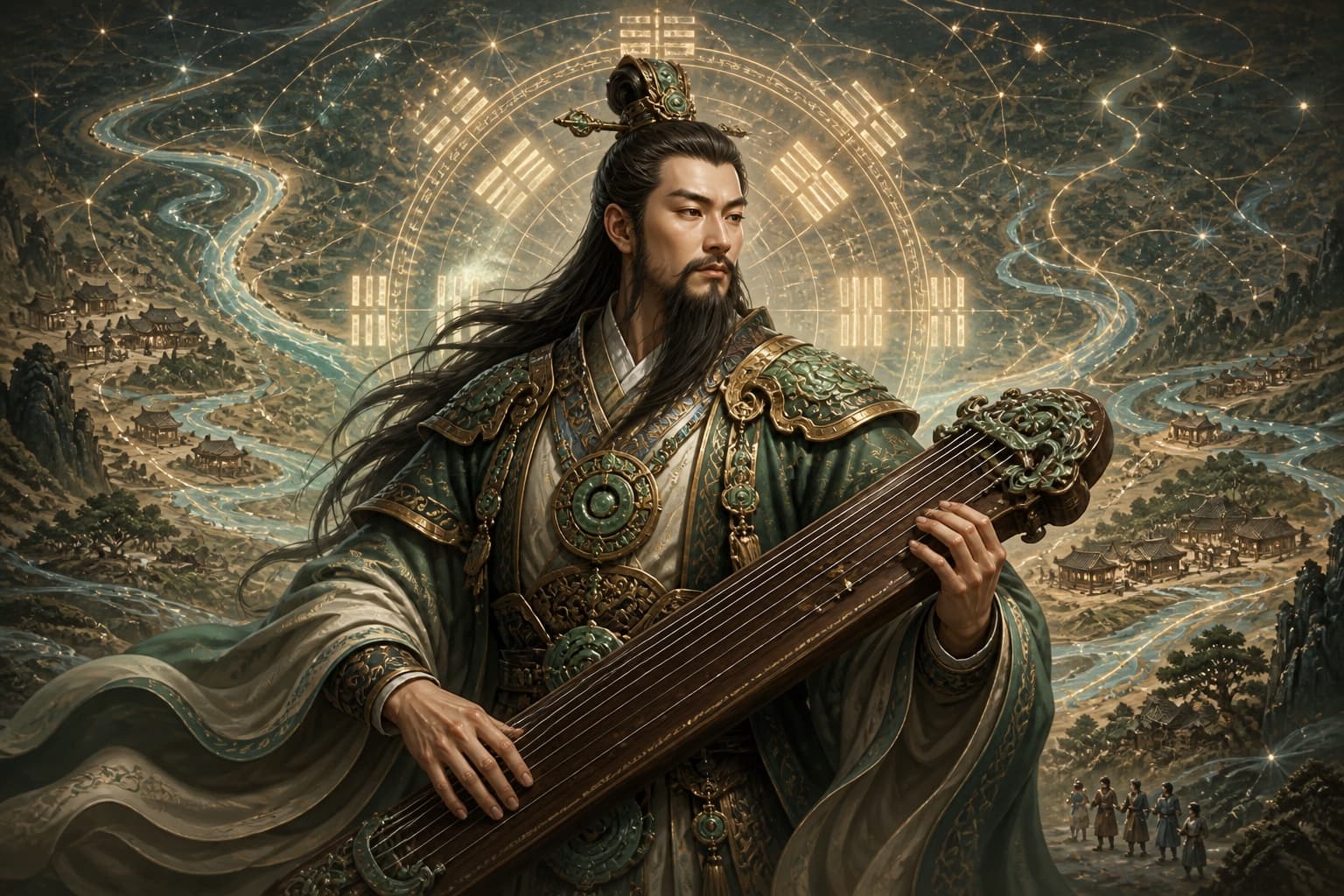
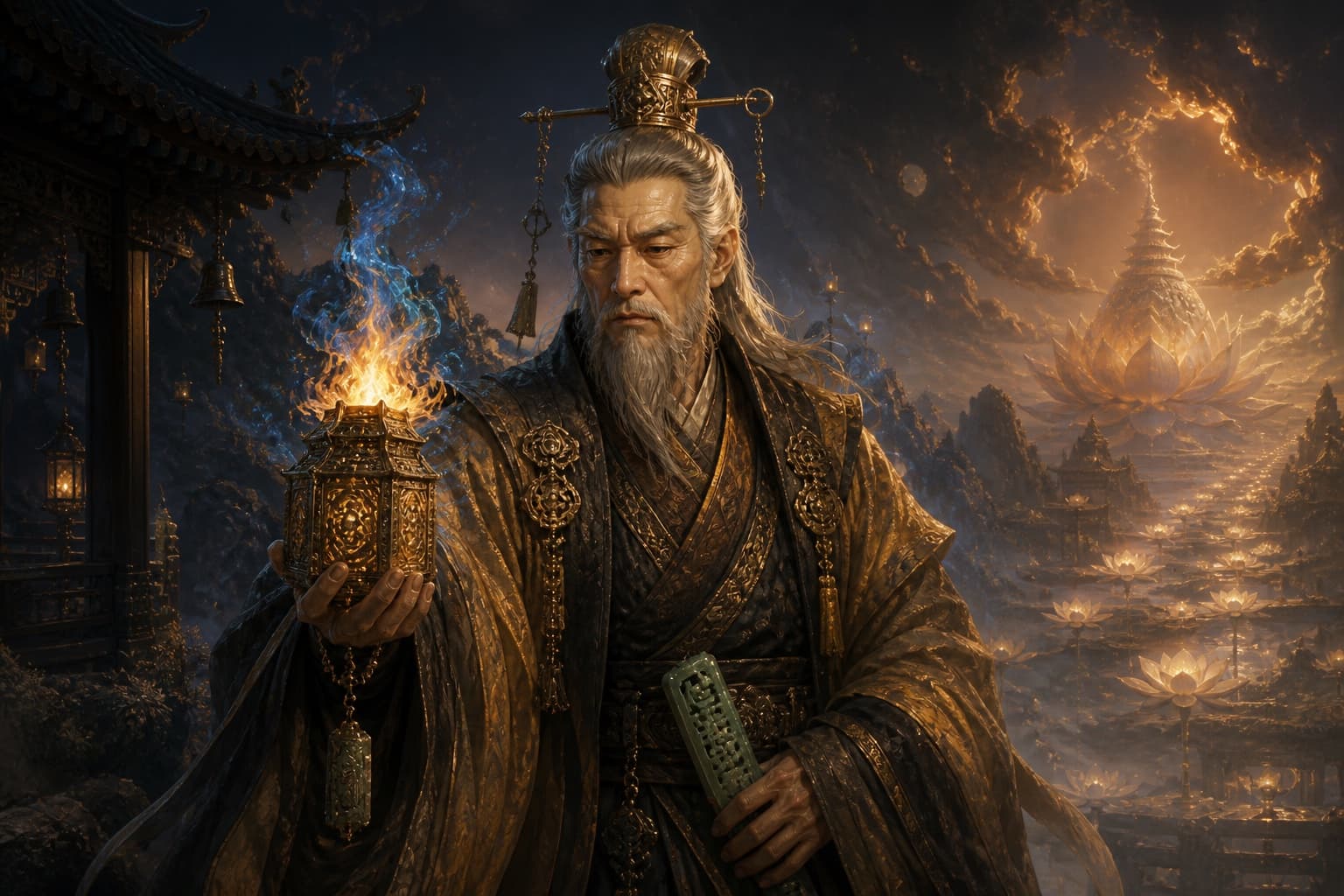
Xuandu Dafashi
The story
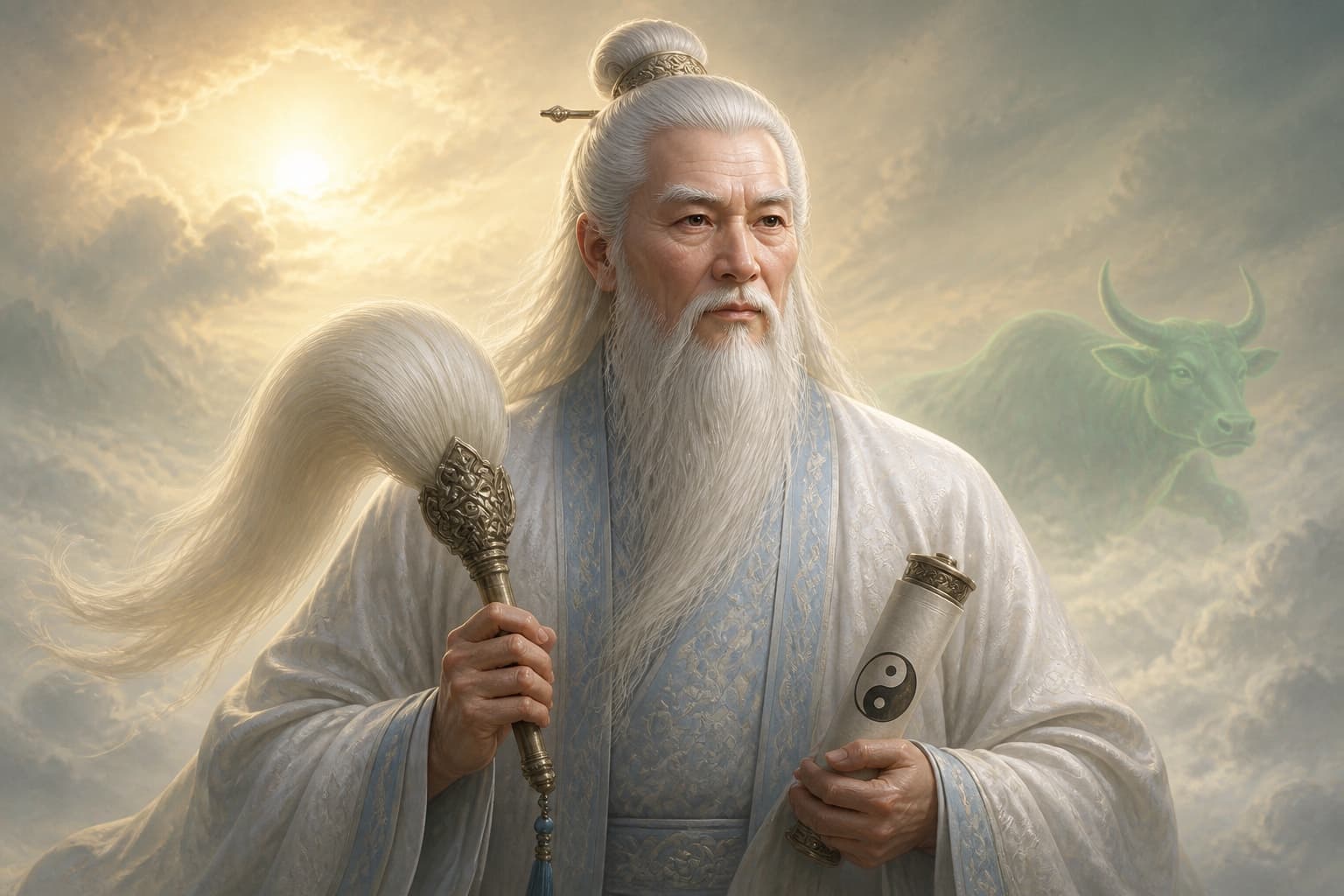
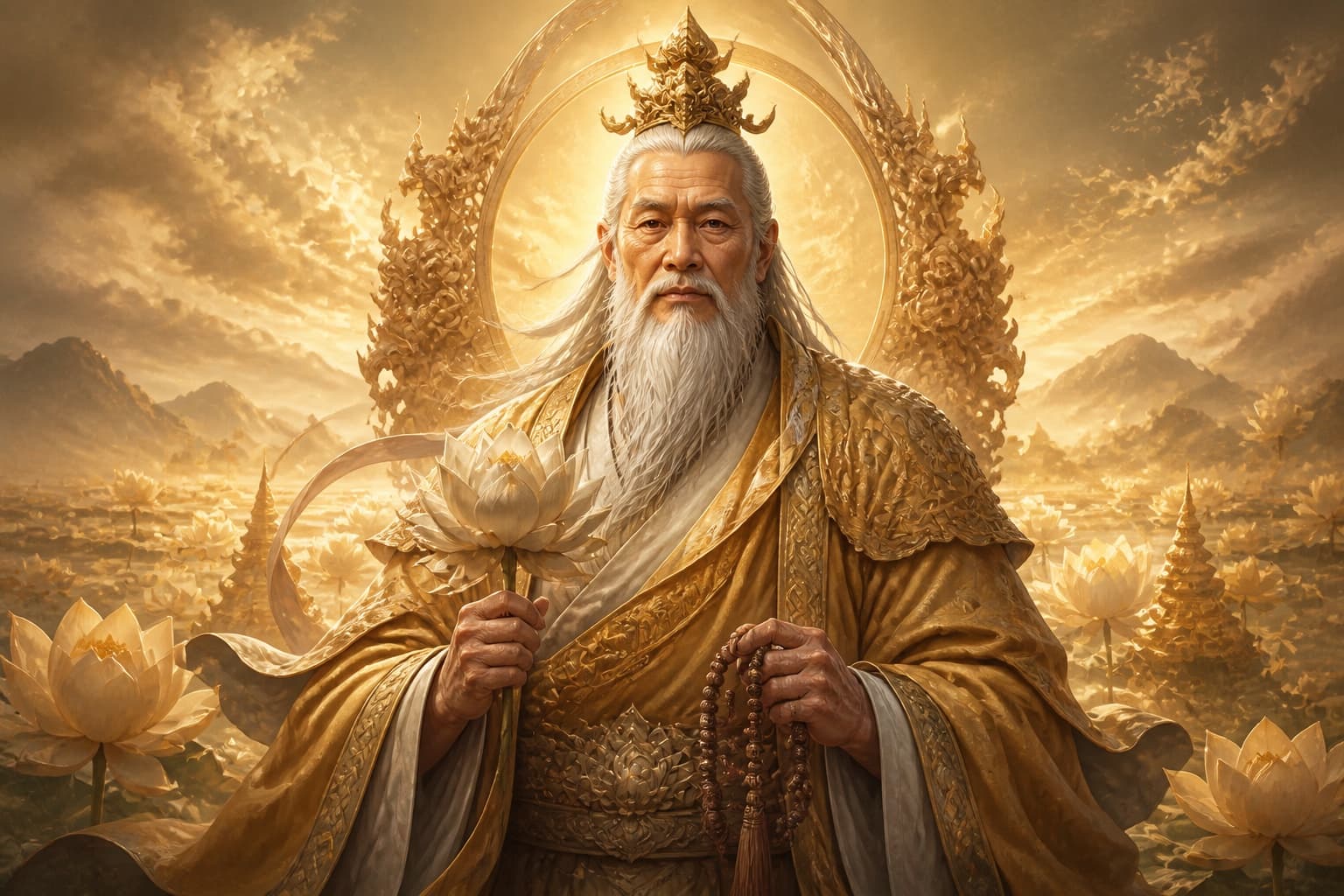
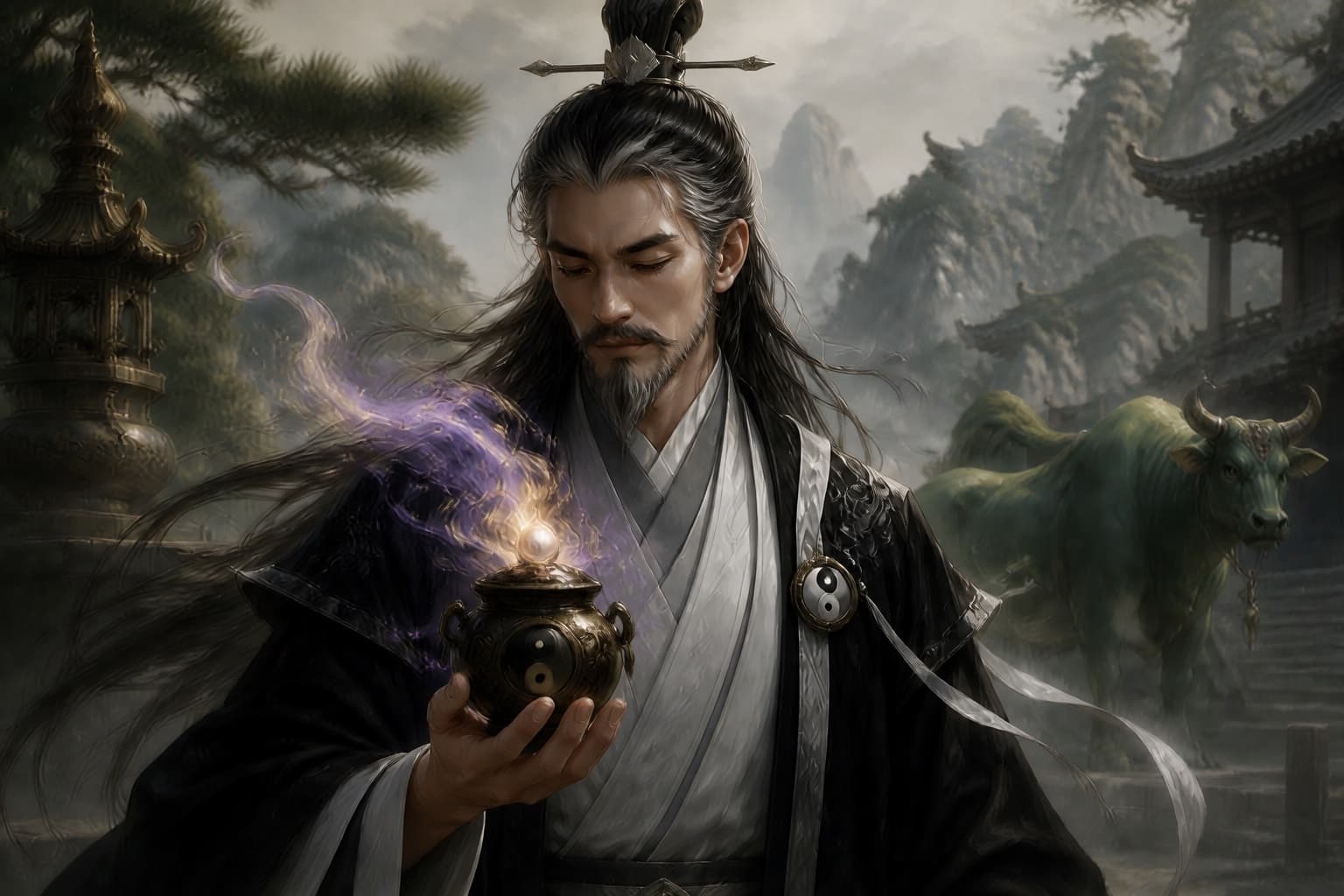
Xuandu Dafashi entered Taiqing Laozi’s gate and lived with his master at the Bajing Palace on Mount Shouyang. The Human Sect did not take in followers as the Chan and Jie Sects did; apart from Laozi himself, Xuandu was the only one constantly in attendance.
Xuandu heard Laozi expound the Dao each day and looked after the elixir furnace, the books and the banners of the palace. When Laozi was in seclusion the golden gate of the Bajing Palace stayed shut, and callers waited outside Xuandu’s cave for him to carry word inside.
While the three teachings were settling the investiture, Laozi came and went between Yuanshi and Tongtian, and Xuandu stayed in attendance at the Bajing Palace. After the Investiture List passed to Jiang Ziya, the Human Sect did not send down disciples in numbers as the other two did.
As the Shang–Zhou war grew, Laozi rode his green buffalo out of the Bajing Palace himself to break the Nine-Bend Yellow River, the Zhuxian and the Ten Thousand Immortals formations. Investiture of the Gods does not write Xuandu fighting in any of them; the Bajing Palace stayed under the care of the Human Sect.
After Yin Jiao turned against Zhou and blocked its army with the Sky-Overturning Seal, Randeng wanted to gather banners to hem the seal in, and Guangchengzi came to the Bajing Palace on that errand, standing outside Xuandu’s cave and not daring to enter unasked.
Xuandu Dafashi came out, heard Guangchengzi’s errand, and went back in to report it before Laozi’s mat. Laozi already knew why he had come, did not call him into the hall, and simply told Xuandu to fetch the Lihuo Flame-Light Banner.
Xuandu handed the banner to Guangchengzi and passed on Laozi’s word that he need not ask for an audience. Guangchengzi took the banner and left, hurrying back to Western Qi, where it was joined with the other banners to pin the Sky-Overturning Seal.
When the Investiture war ended, Laozi returned to the Bajing Palace and Xuandu remained in attendance. The book gives him no battle of his own afterwards, and records no end in which he leaves the Human Sect.
Later Honghuang novels carry on the line of the “first disciple of the Human Sect”, often having him manage the Bajing Palace while Laozi is in seclusion and carry his orders to the Heavenly Court and to humankind. These are modern Honghuang stories and not in the text of Investiture of the Gods.
Novels such as Fo Ben Shi Dao, which gather the Honghuang setting together with the Buddhist and Daoist schools, also keep Xuandu within the Human Sect line.
Relationship map
Relationship story
Select a label on one of the lines to read when the two met, what happened next, and how it ended.
Selecting a portrait still opens that entry directly.