Complete index · 96
- Sun Wukong
- Hongjun Daozu
- Yuanshi Tianzun
- Tongtian Jiaozhu
- Taiqing Laozi
- Nüwa
- Dijun
- Donghuang Taiyi
- Zhunti Daoren
- Jieyin Daoren
- Houtu
- Pangu
- Luohou
- Kunpeng
- Minghe Laozu
- Zhenyuanzi
- Hongyun Laozu
- Fuxi
- Randeng Daoren
- Hou Yi
- Chang’e
- Dijiang
- Zhujiuyin
- Jumang
- Zhurong
- Gonggong
- Rushou
- Xuanming
- Qiangliang
- Xizi
- Tianwu
- Shebishi
- Guangchengzi
- Chijingzi
- Taiyi Zhenren
- Yuding Zhenren
- Huanglong Zhenren
- Wenshu Guangfa Tianzun
- Puxian Zhenren
- Cihang Daoren
- Juliusun
- Daoxing Tianzun
- Qingxu Daode Zhenjun
- Lingbao Dafashi
- Xuandu Dafashi
- Nanji Xianweng
- Yunzhongzi
- Yang Jian
- Nezha
- Duobao Daoren
- Jinling Shengmu
- Wudang Shengmu
- Guiling Shengmu
- Zhao Gongming
- Yunxiao
- Qiongxiao
- Bixiao
- Jiang Ziya
- Shen Gongbao
- Wen Zhong
- Di Xin
- Su Daji
- Ji Chang
- Ji Fa
- Huang Feihu
- Lei Zhenzi
- Kong Xuan
- Luya Daoren
- Tu Xingsun
- Deng Chanyu
- Jinzha
- Muzha
- Huang Tianhua
- Rulai
- Puti Zushi
- Guanyin
- Niu Mowang
- Zhu Bajie
- Sha Seng
- Four Heavenly Kings
- Li Jing
- Tang Sanzang
- Jade Emperor
- Queen Mother of the West
- Taibai Jinxing
- Bailongma
- Ao Guang
- Princess Iron Fan
- Red Boy
- Six-Eared Macaque
- Golden Horn and Silver Horn
- Yellow Brow
- Golden-Winged Great Peng
- Maitreya
- White Bone Demon
- Yellow Wind Demon
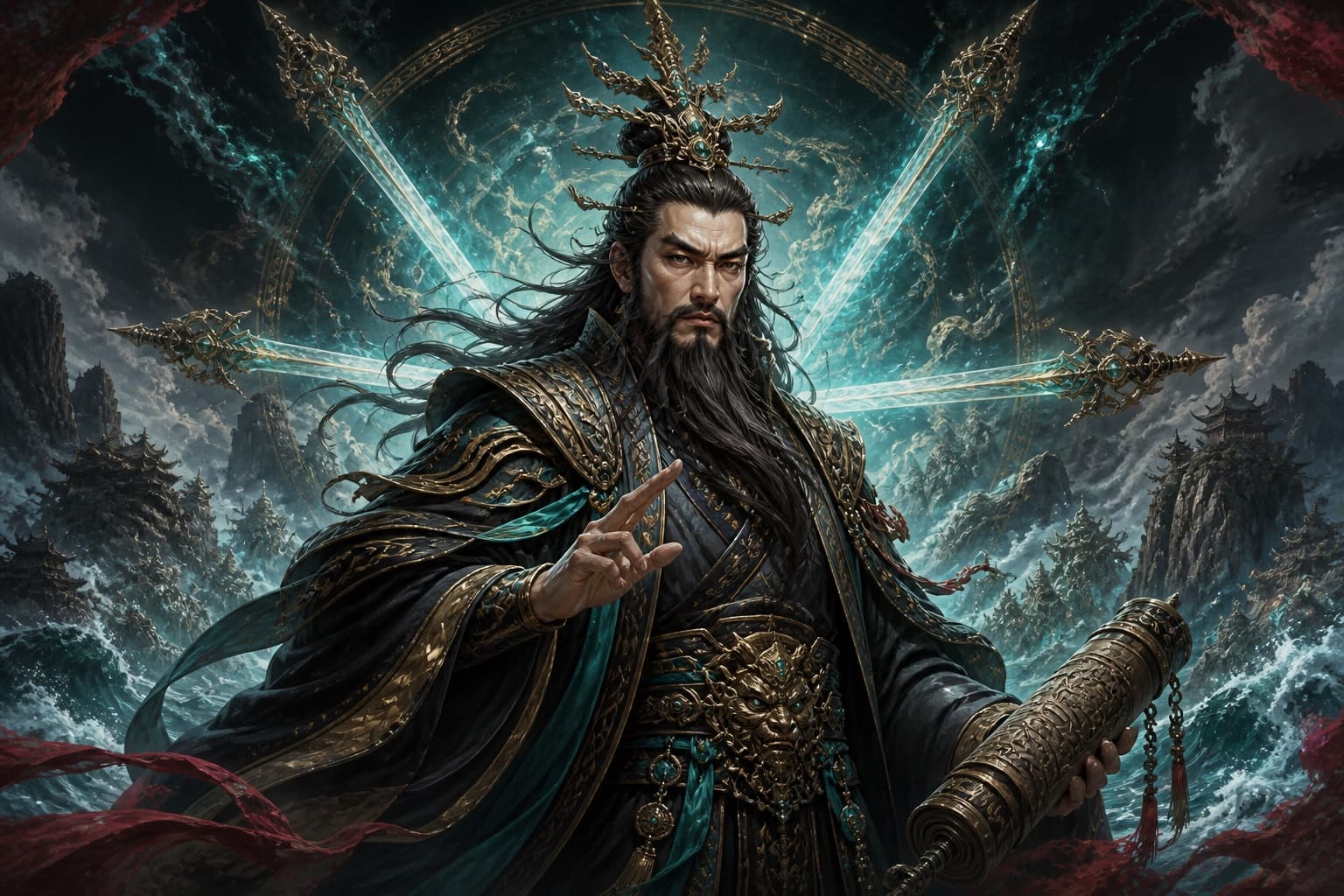
- TierDa Luo Golden Immortal, roughlySect / factionMount Huaguo / Buddhist attainmentSun WukongGreat Sage Equal to Heaven · Victorious Fighting Buddha
- TierHeaven’s-Way tier / Merged with the DaoSect / factionXuanmenHongjun DaozuAncestor of the Mystic Gate · merged himself into Heaven’s Way
- TierSaintSect / factionChanjiaoYuanshi TianzunSecond of the Three Pure Ones · head of the Chan Sect
- TierSaintSect / factionJiejiaoTongtian JiaozhuThird of the Three Pure Ones · head of the Jie Sect
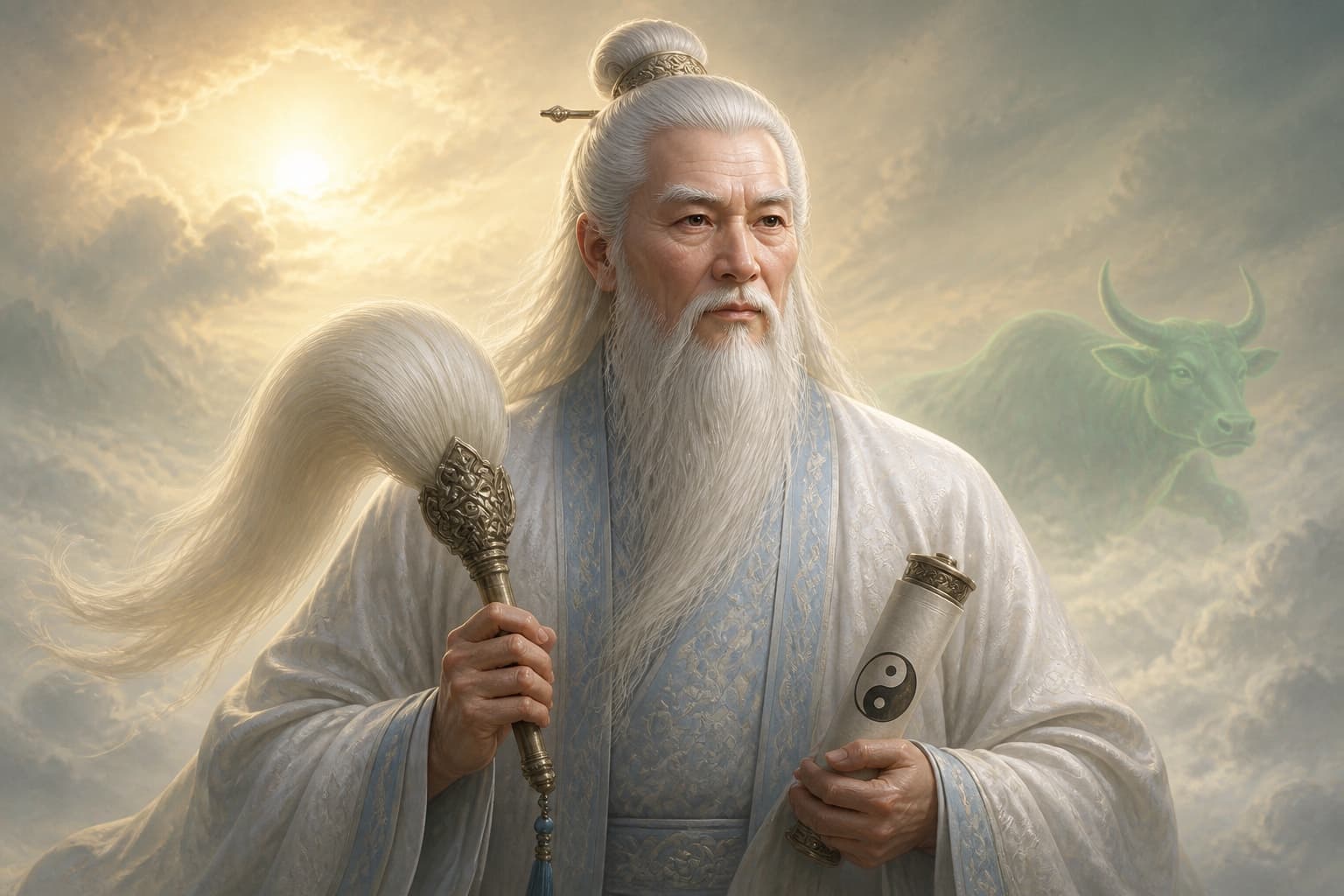
- TierSaintSect / factionRenjiaoTaiqing LaoziFirst of the Three Pure Ones · head of the Human Sect
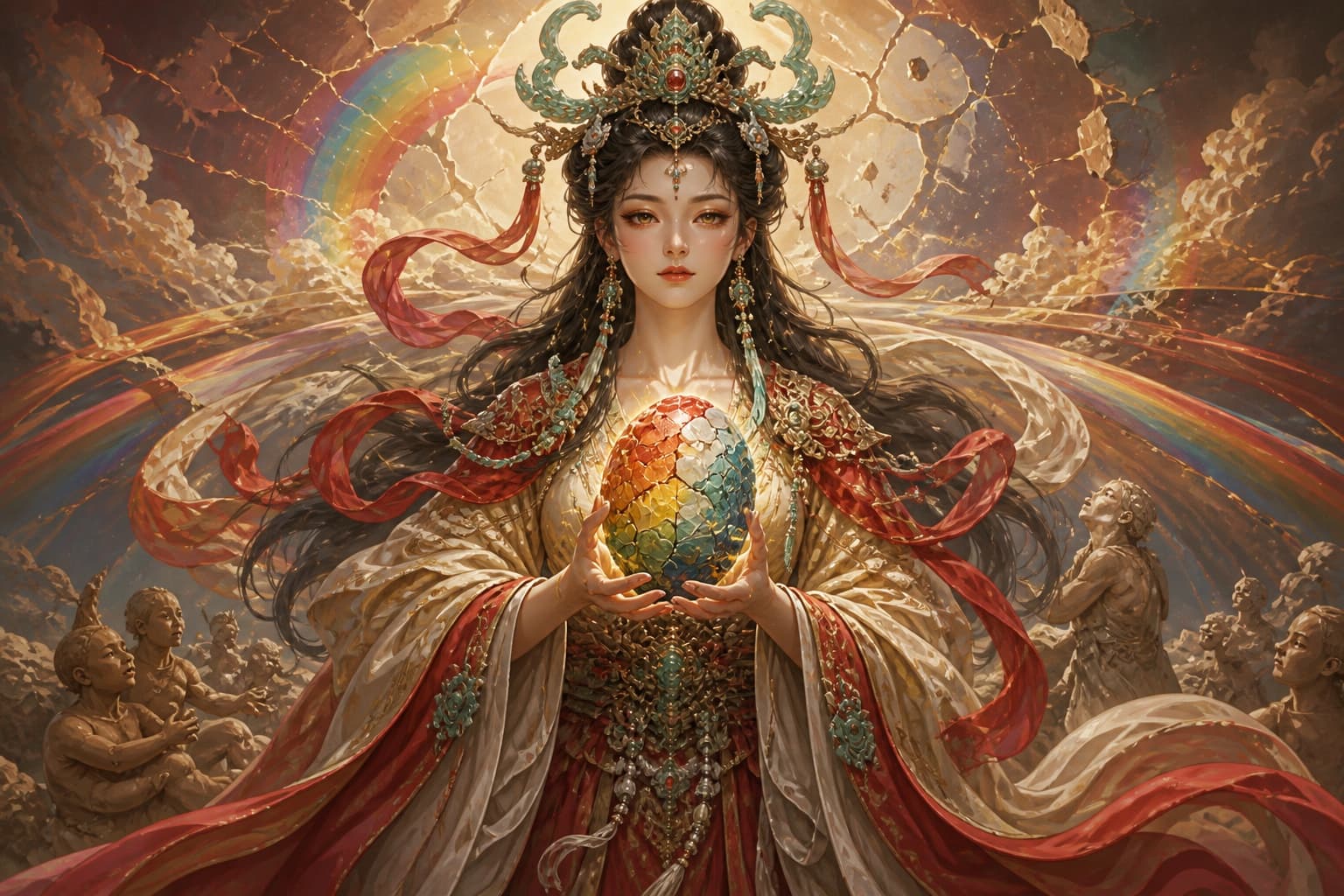
- TierSaintSect / factionWahuang Palace / close to the Yao clanNüwaMaker of humankind · mistress of Wahuang Palace
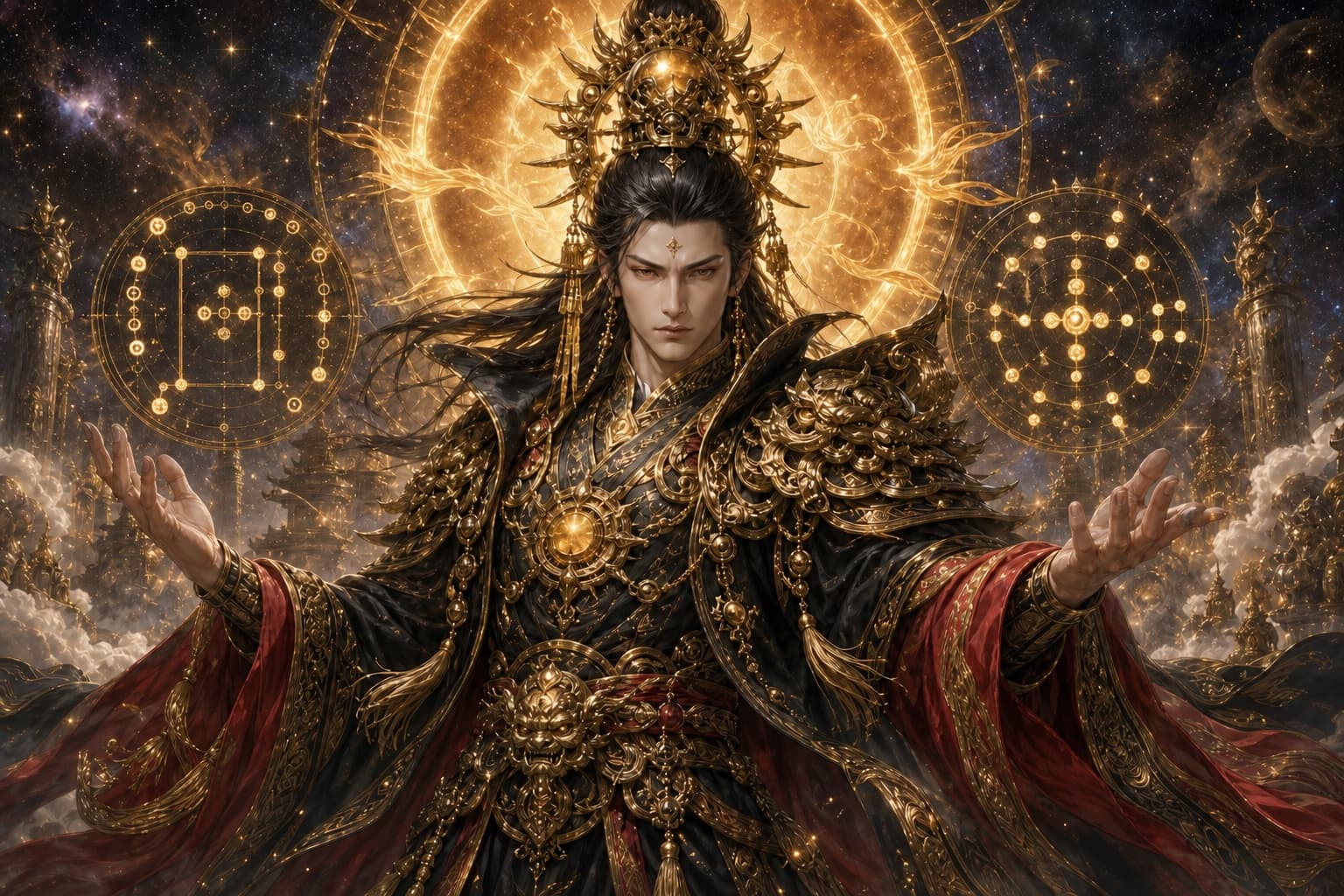
- TierQuasi-SaintSect / factionYao Heavenly CourtDijunHeavenly emperor of the Yao clan
- TierQuasi-Saint peakSect / factionYao Heavenly CourtDonghuang TaiyiWar god of the Yao clan
- TierSaintSect / factionWestern SectZhunti DaorenOne of the two saints of the West
- TierSaintSect / factionWestern SectJieyin DaorenOne of the two saints of the West
- TierSaint-level / Earthly Saint / Hunyuan Da LuoSect / factionWu clan → the underworldHoutuShe who became the six paths of rebirth
- TierGreat-Dao tier / Beyond Heaven’s WaySect / factionNonePanguHe who split heaven from earth
- TierQuasi-Saint peak / Hunyuan Da Luo / Saint-levelSect / factionModaoLuohouAncestor of the demonic path
- TierQuasi-SaintSect / factionNorthern sea / Yao Heavenly CourtKunpengLord of the northern sea · Yao preceptor
- TierQuasi-Saint peakSect / factionSea of blood / Asura SectMinghe LaozuLord of the sea of blood
- TierQuasi-SaintSect / factionIndependent / the earthbound immortal lineageZhenyuanziAncestor of the earthbound immortals
- TierDa Luo peak / Quasi-SaintSect / factionIndependentHongyun LaozuAt the centre of the quarrel over sainthood
- TierQuasi-SaintSect / factionYao clan / humankindFuxiBrother of Nüwa · Heavenly Sovereign of humankind
- TierQuasi-Saint / Da LuoSect / factionChanjiao, later the WestRandeng DaorenDeputy head of the Chan Sect
- TierDa Luo Golden Immortal, roughly / Great WitchSect / factionHuman hero / Great Witch of the Wu clanHou YiThe archer who shot down the suns
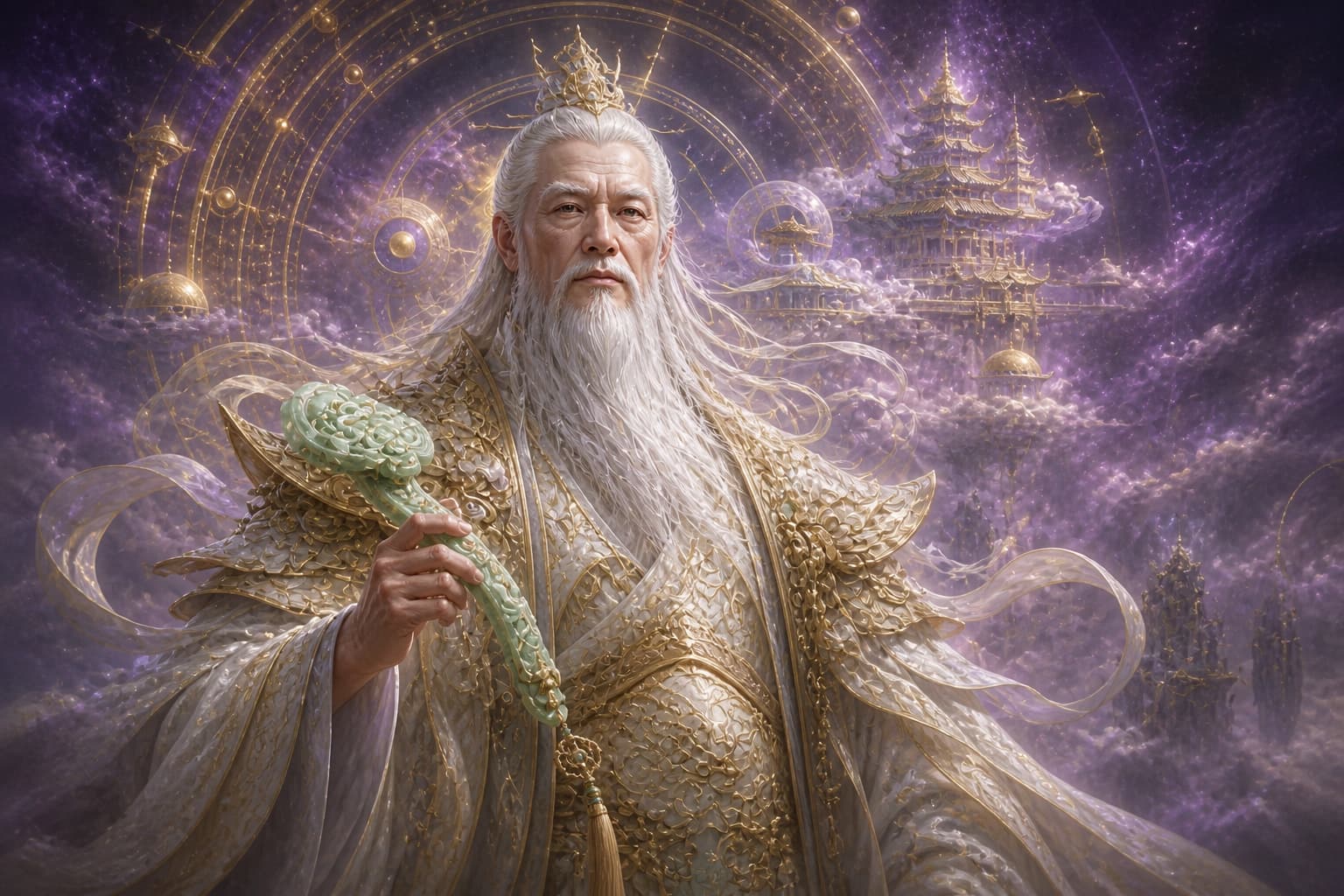
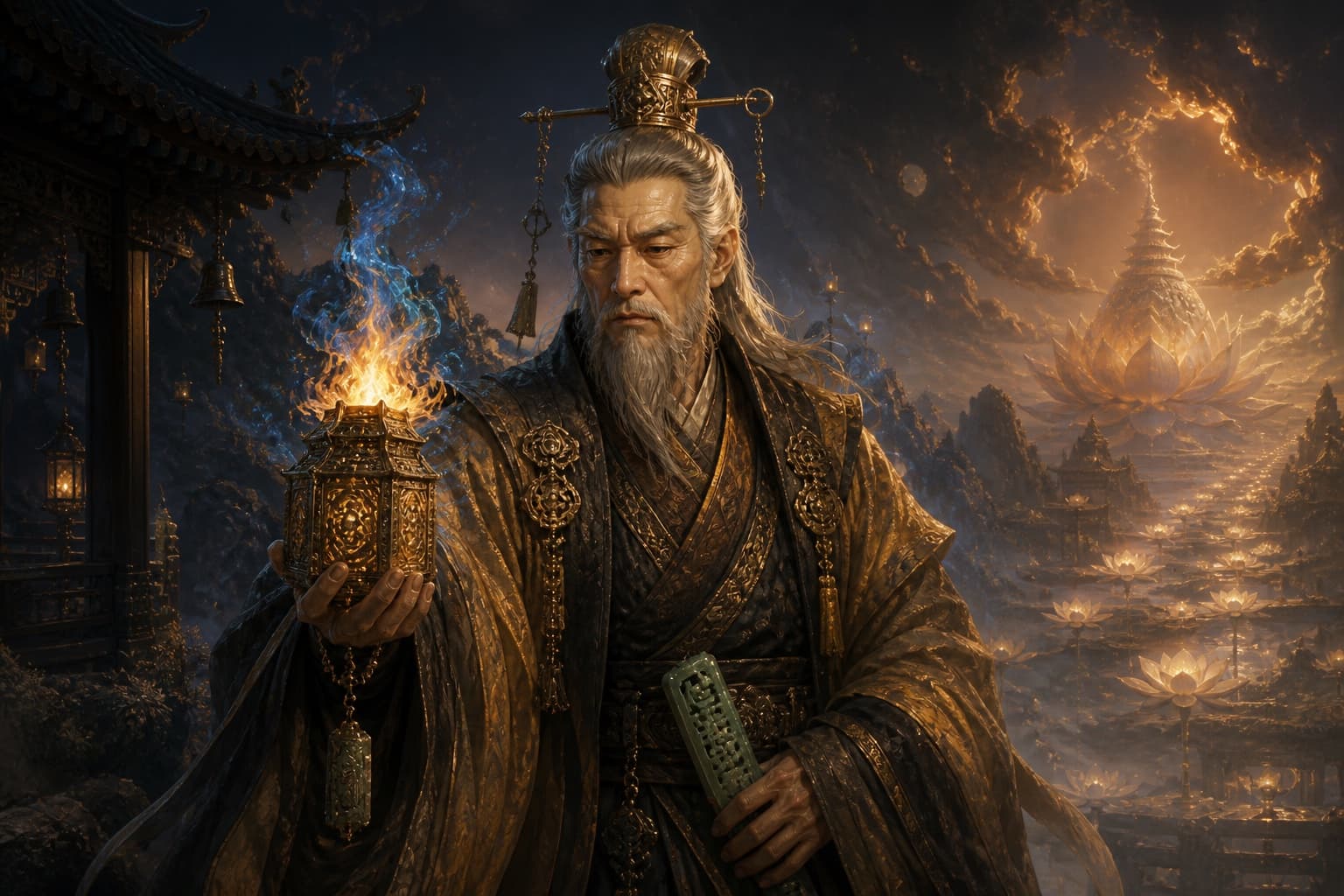
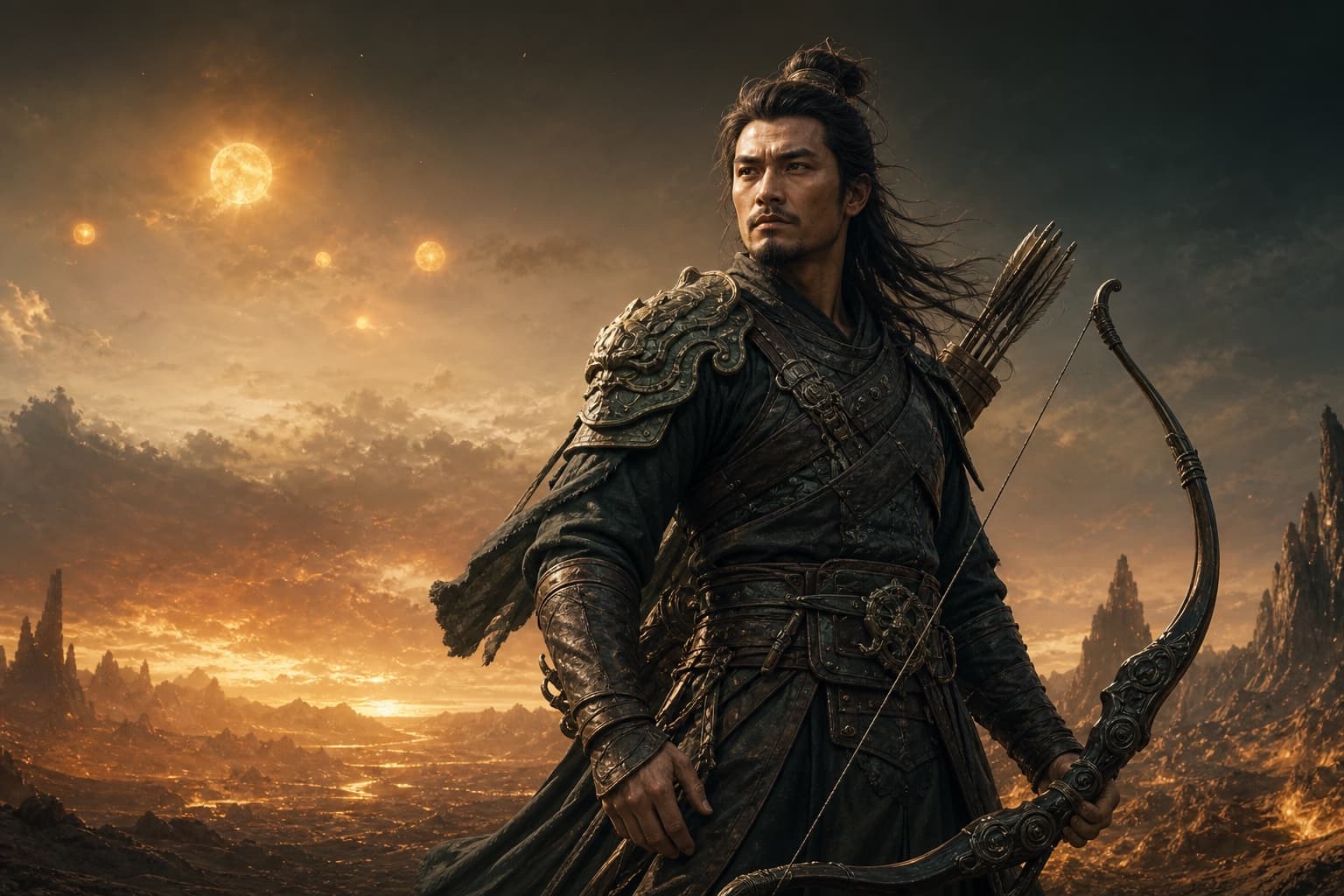
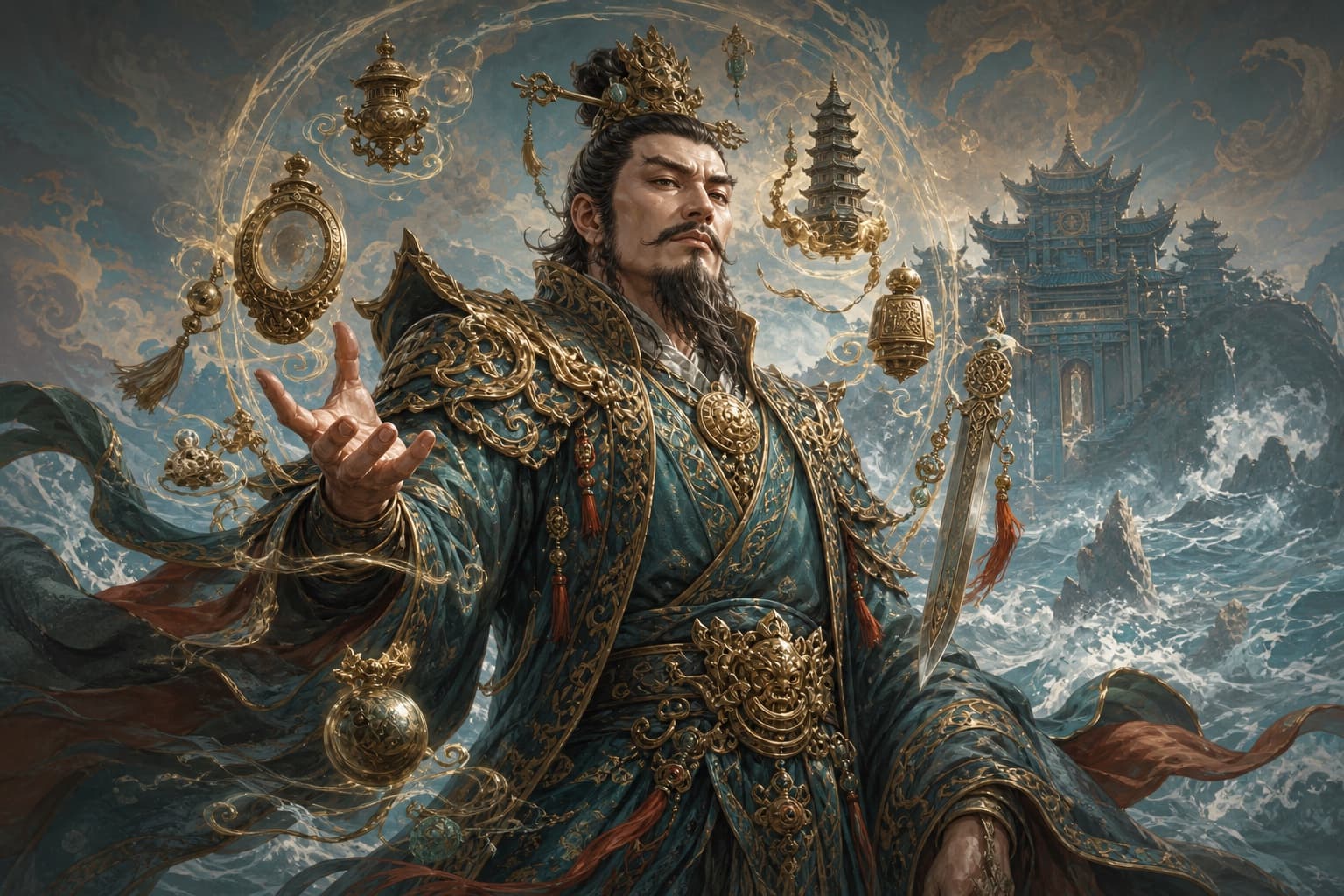
Duobao Daoren
The story
Duobao Daoren entered Tongtian Jiaozhu’s gate at the Biyou Palace and stood first among the many disciples of the Jie Sect. He attended his master daily and managed the business of the palace, and whatever a Jie disciple had to report usually passed through Duobao’s hands first.
As the Investiture war grew, the Jie disciples came down one after another to help King Zhou and met the Chan disciples repeatedly between the Shang and Zhou armies, with losses rising day by day. Tongtian Jiaozhu, furious at the news, resolved to set out a great formation to answer it.
Tongtian Jiaozhu at last laid the Zhuxian Sword Formation beyond Jiepai Pass, hanging Zhuxian, Luxian, Xianxian and Juexian at its four gates. Demonic vapour lay thick within it, and Duobao went with him to help survey its quarters and post the disciples who held it.
Laozi came first, meaning to persuade Tongtian to take the formation down; Tongtian refused. Duobao attended his master and watched, neither speaking to persuade him nor acting rashly.
Laozi then arranged with Yuanshi Tianzun, Jieyin Daoren and Zhunti Daoren to take one gate each and strike together for the four swords. The four went in separately, and the Jie disciples inside took up their weapons to block them.
Duobao was ordered to meet Laozi, and went forward with drawn sword to bar his way; Laozi answered with the crutch he carried, and sword and crutch struck back and forth until the demonic vapour of the formation churned with it.
After several exchanges Laozi unrolled the Taiji Diagram, which threw a golden bridge across the deadly ground inside. Duobao pressed forward several times, was turned aside by the bridge each time, and could not get near him.
As the fight went on Laozi raised the wind-and-fire mat he carried. It opened suddenly and closed over Duobao, who struggled inside it and could not get free; his strength gave out and Laozi took him, and carried him out of the formation.
With Duobao taken, the four swords of the Zhuxian Formation were taken down one after another by Laozi, Yuanshi, Jieyin and Zhunti, most of its defence broke, and the Jie disciples began to fall.
Seeing the formation broken and his first disciple taken, Tongtian Jiaozhu angrily gathered the immortals of the Jie Sect again and set out the Ten Thousand Immortals Formation beyond Tong Pass, banners hiding the sun; but Duobao was no longer among those under his command.
Many Jie disciples were lost in the fighting inside the Ten Thousand Immortals Formation, and Tongtian broke off and left the field once Hongjun Daozu appeared. Duobao’s whereabouts do not appear again in the Jie Sect’s own story, and he has no part in that battle.
On where Duobao went after his capture, the text of Investiture of the Gods says nothing after the passage of the wind-and-fire mat. Later tellers of the Investiture calamity have taken that silence and written different endings into it.
One common continuation has Duobao cultivate quietly in the west for many years, complete his work, and appear at last as Rulai at the Thunder Sound Temple on Vulture Peak at the head of the buddhas and bodhisattvas. Neither Investiture of the Gods nor Journey to the West records this.
On that popular mapping, once Rulai is on Vulture Peak, Sun Wukong’s havoc in heaven and his imprisonment under Five Elements Mountain are Rulai’s own episodes in Journey to the West and belong to a different book from Duobao’s attendance on Tongtian and his duel with Laozi in Investiture of the Gods; the two should not simply be run together.
By the same token, Rulai’s later subduing of demons along the pilgrimage road and his guidance of the pilgrims are all recorded under Rulai’s name in Journey to the West, in a narrative from another source; not all of it can be assigned to Duobao himself.
After this there is little record of Duobao in the world, and only that exchange of sword and crutch before the Zhuxian Formation, and his capture in the wind-and-fire mat, are still raised by those who tell of the Investiture calamity.
Relationship map
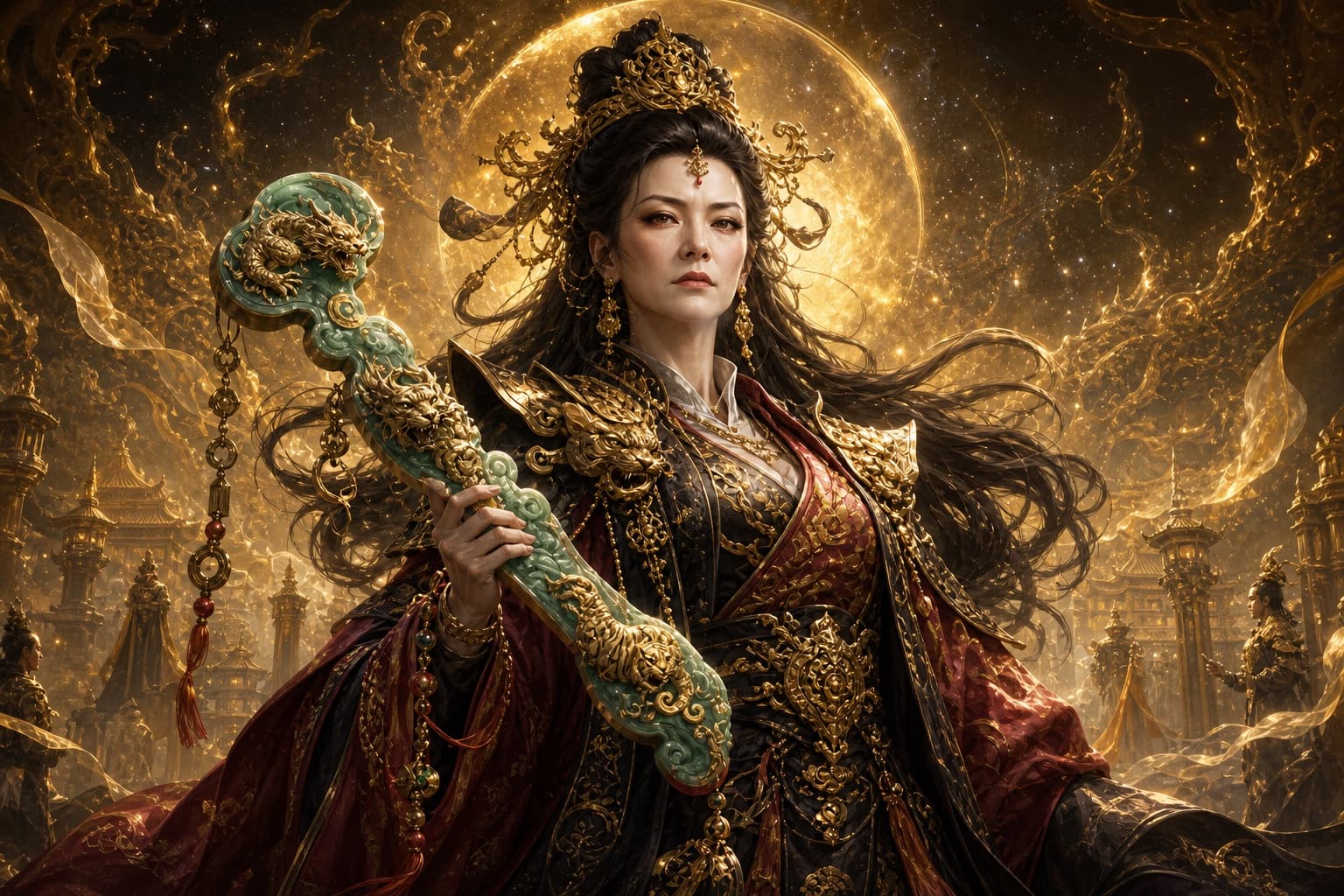
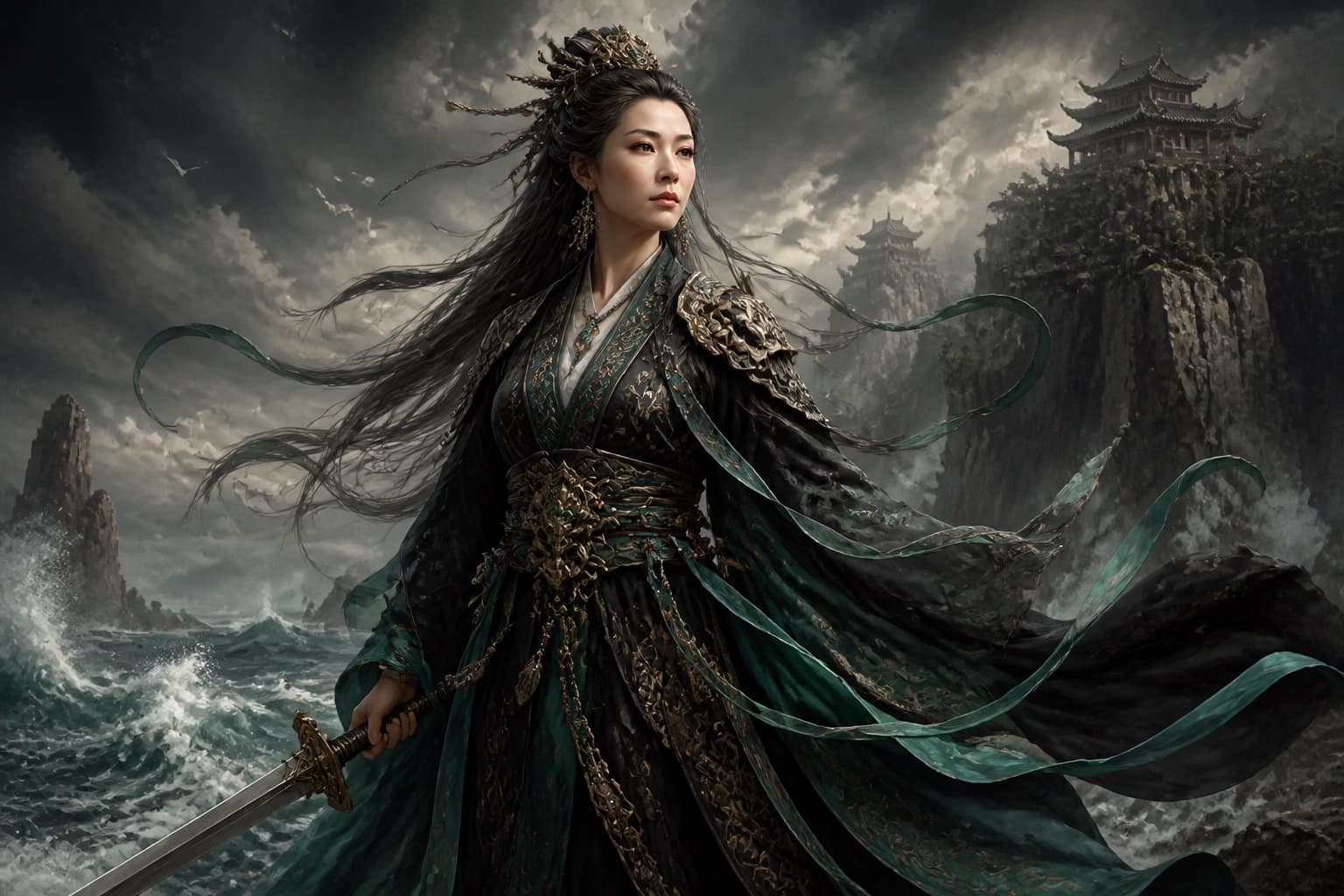
Relationship story
Select a label on one of the lines to read when the two met, what happened next, and how it ended.
Selecting a portrait still opens that entry directly.